
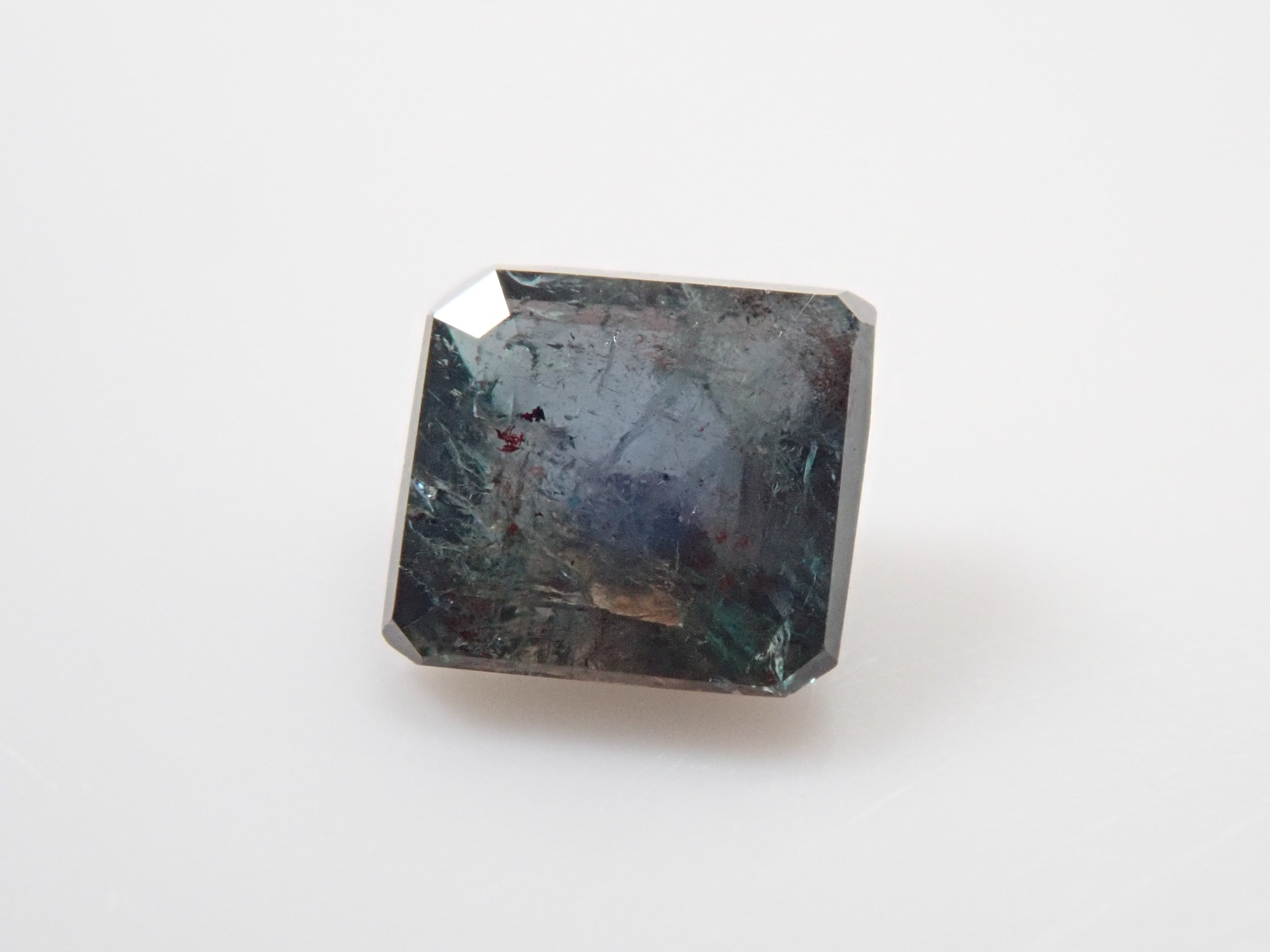
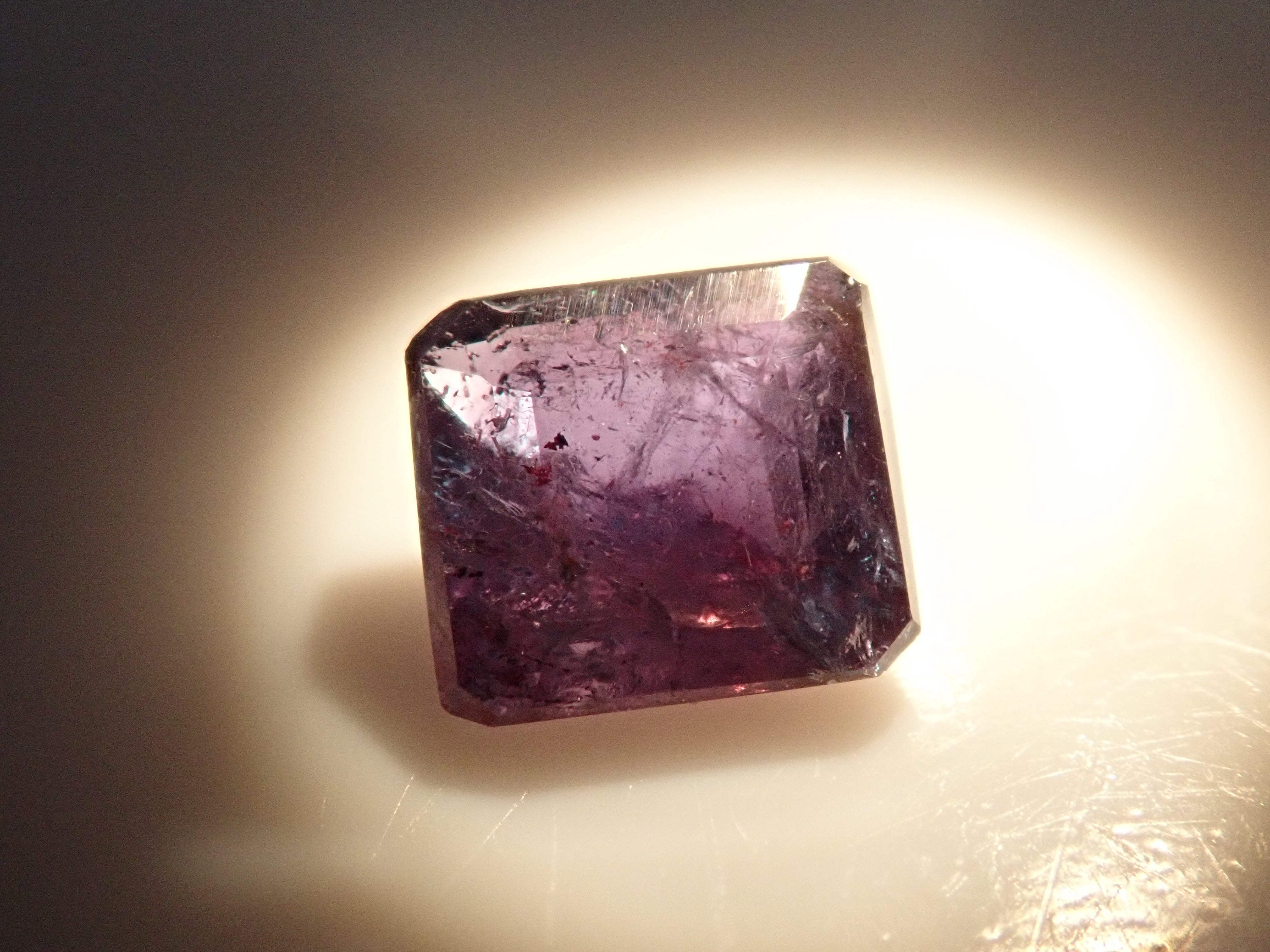
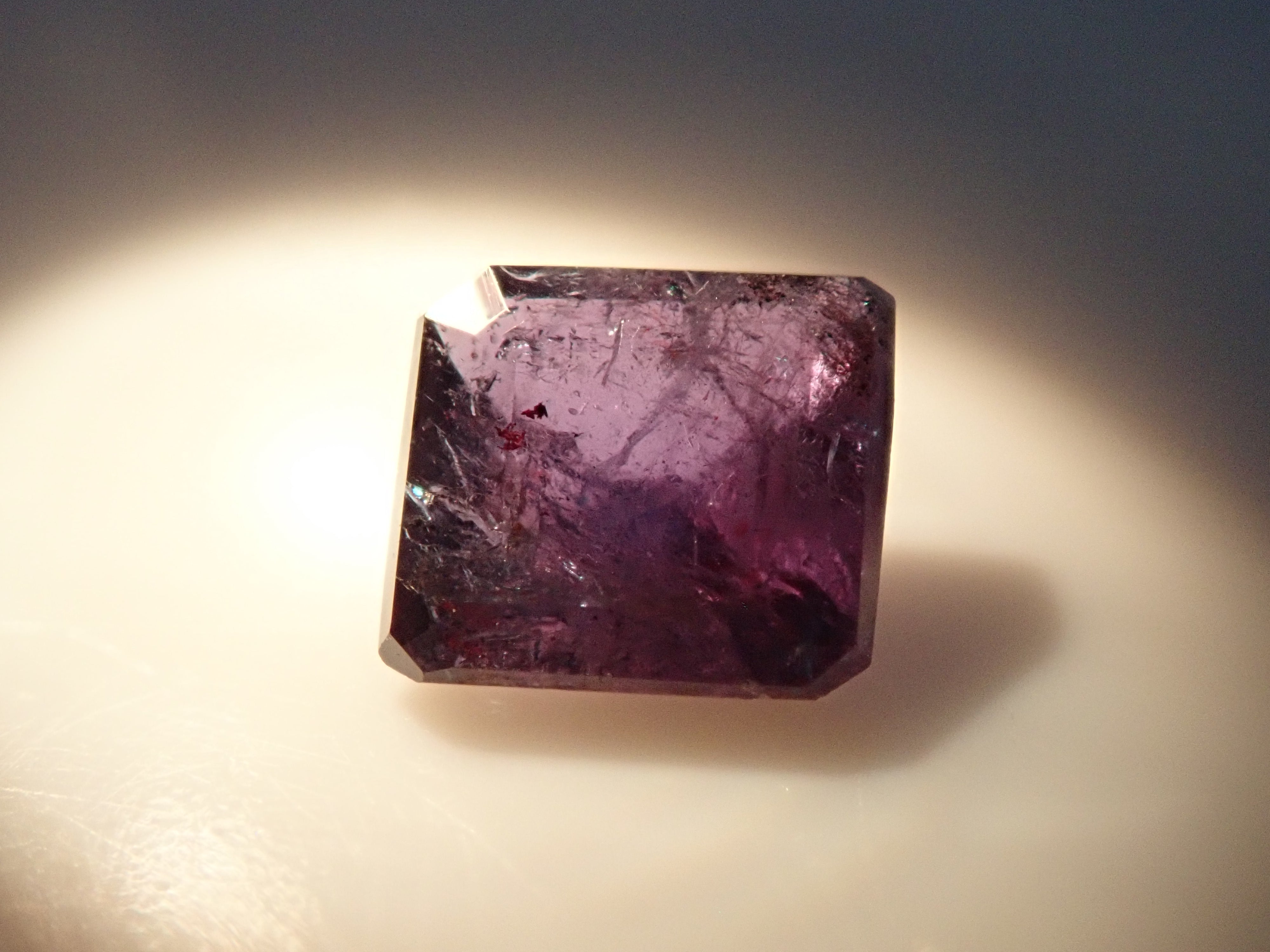
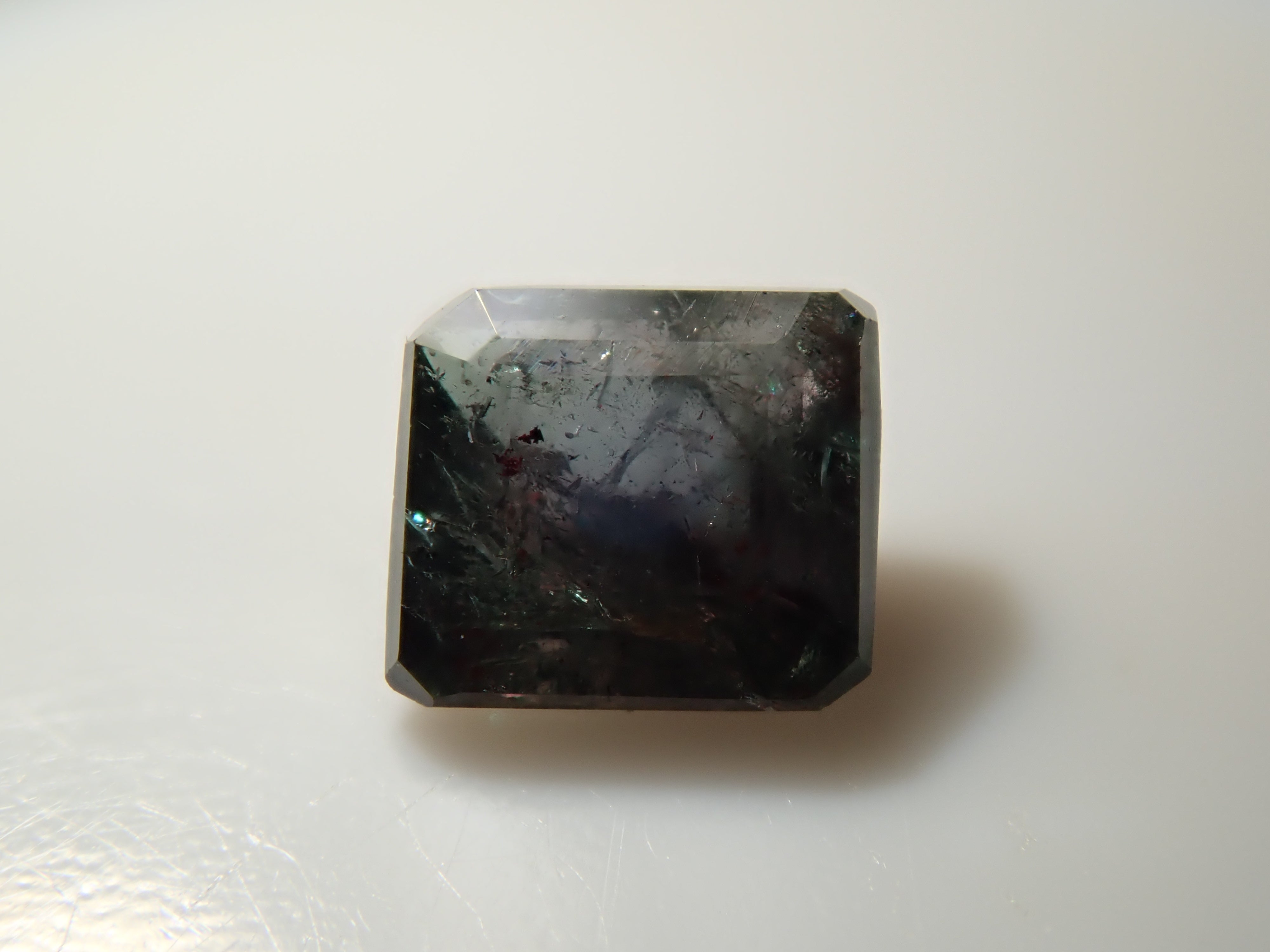
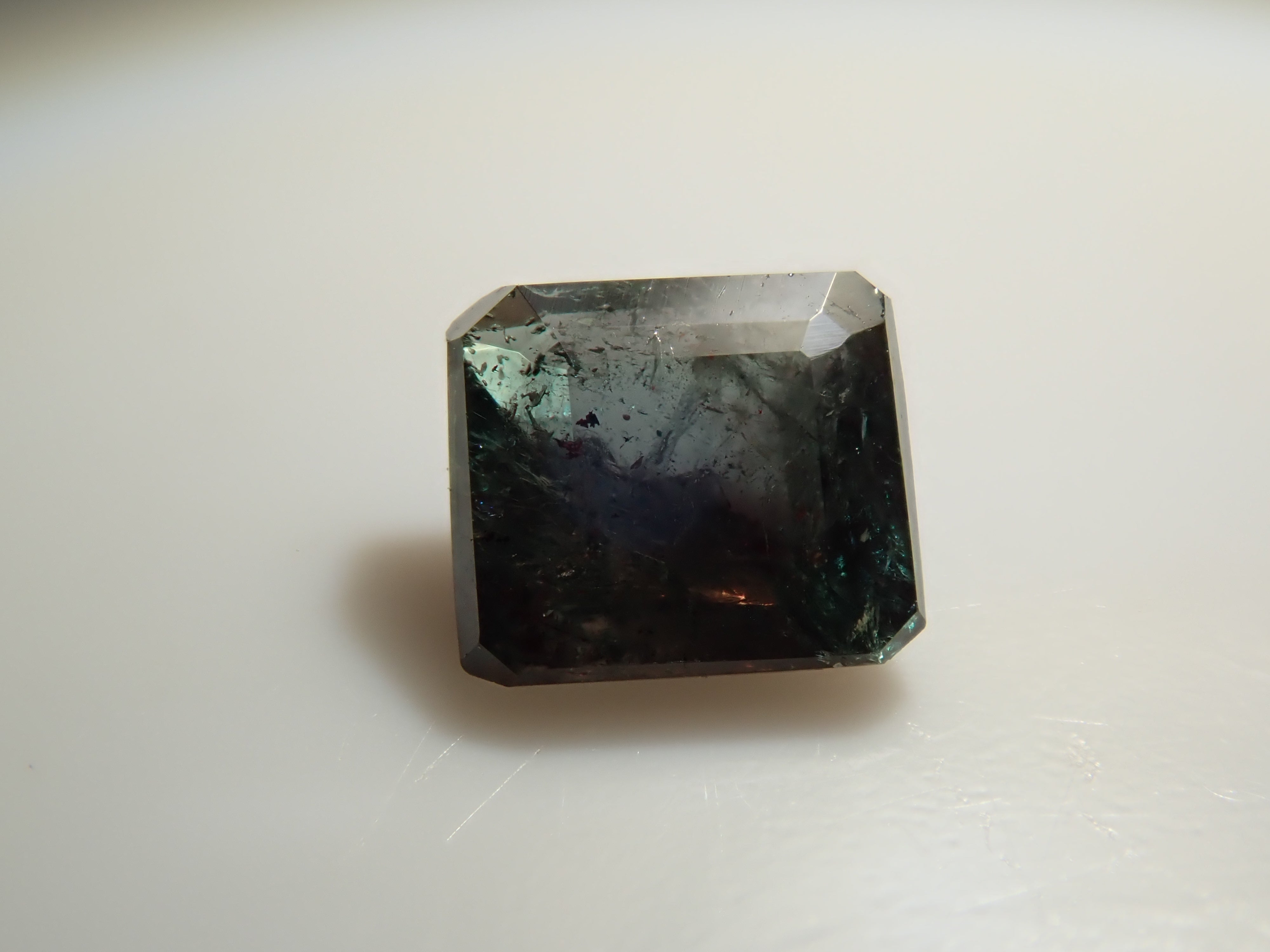
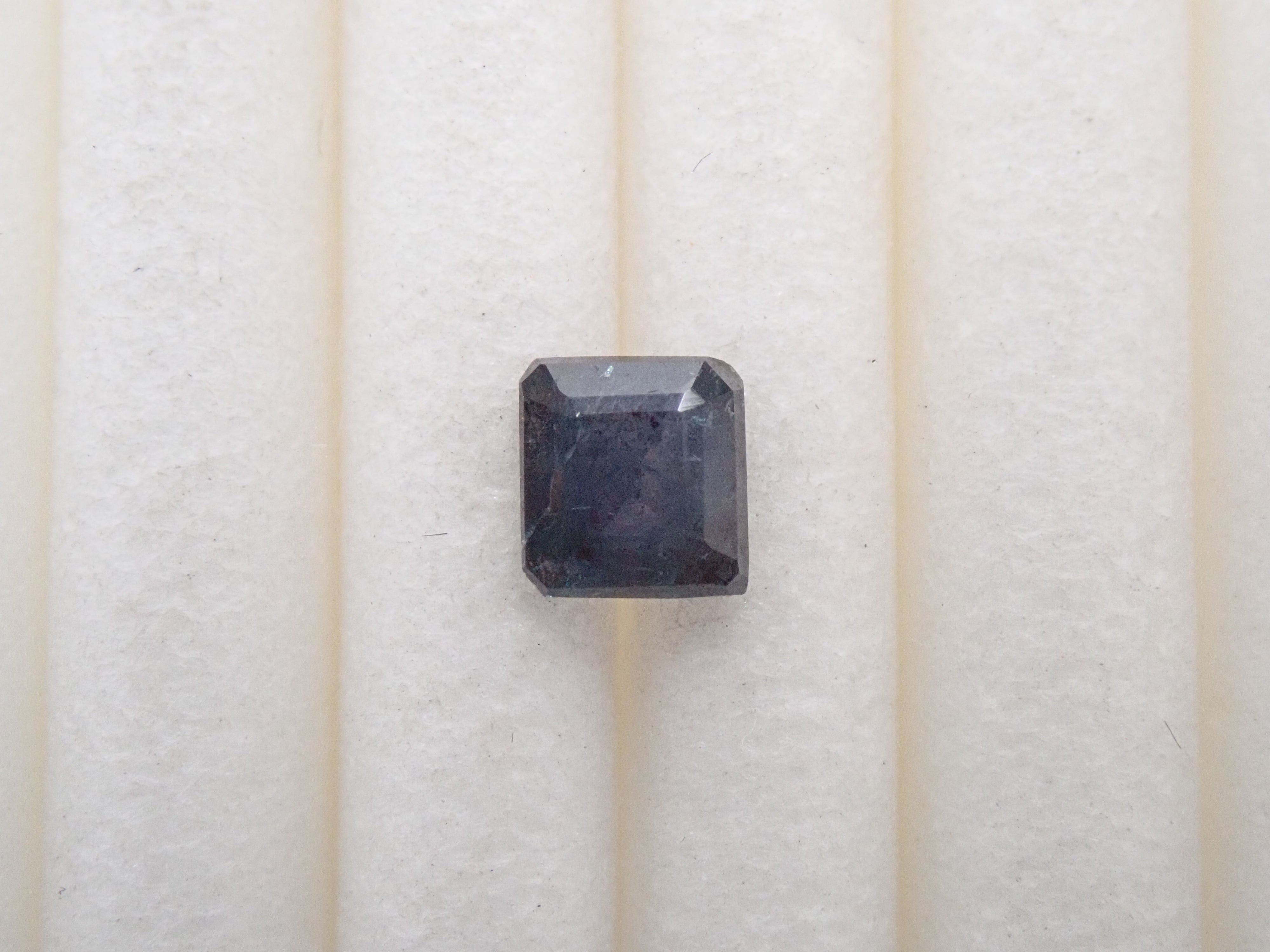
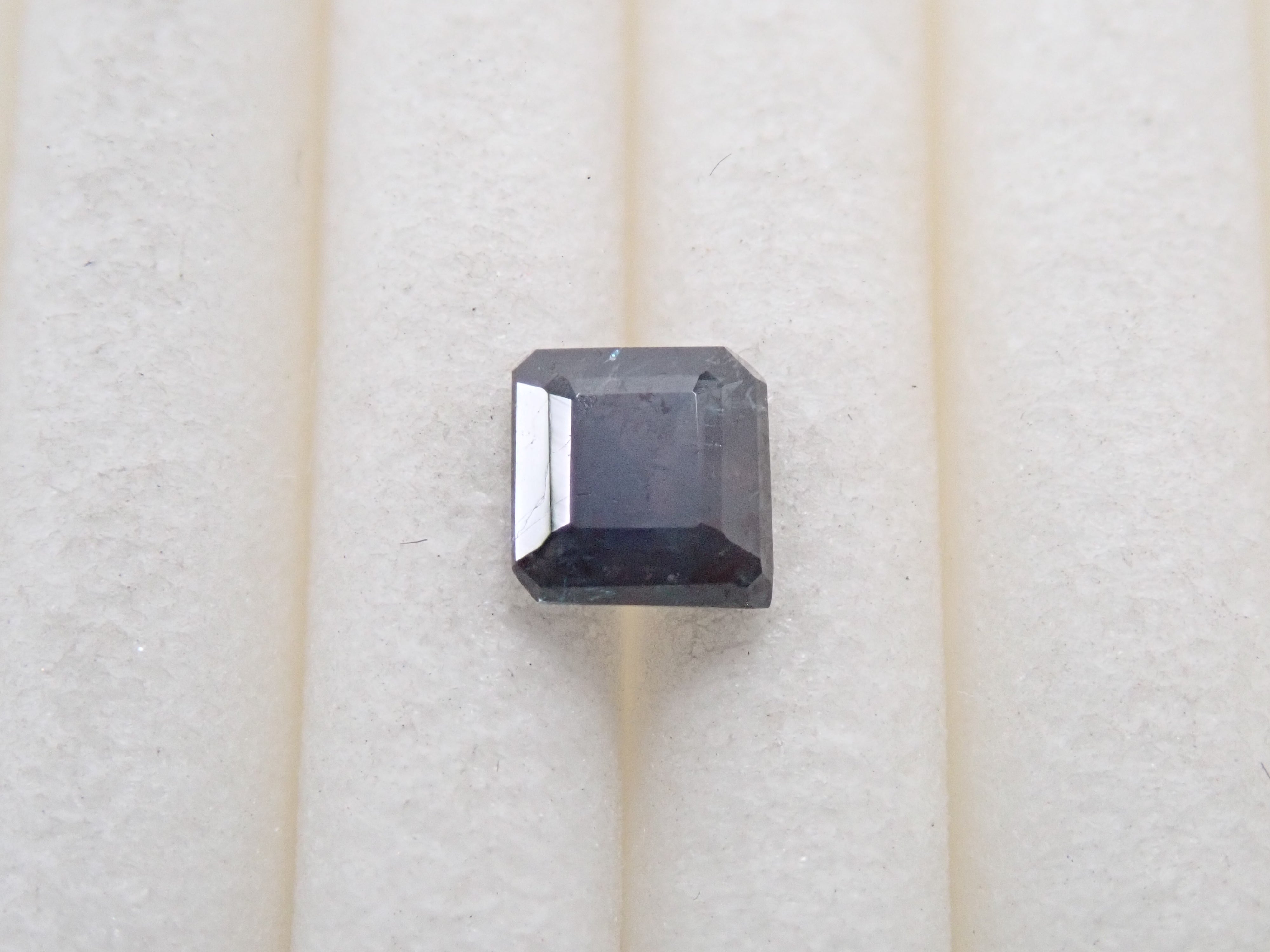
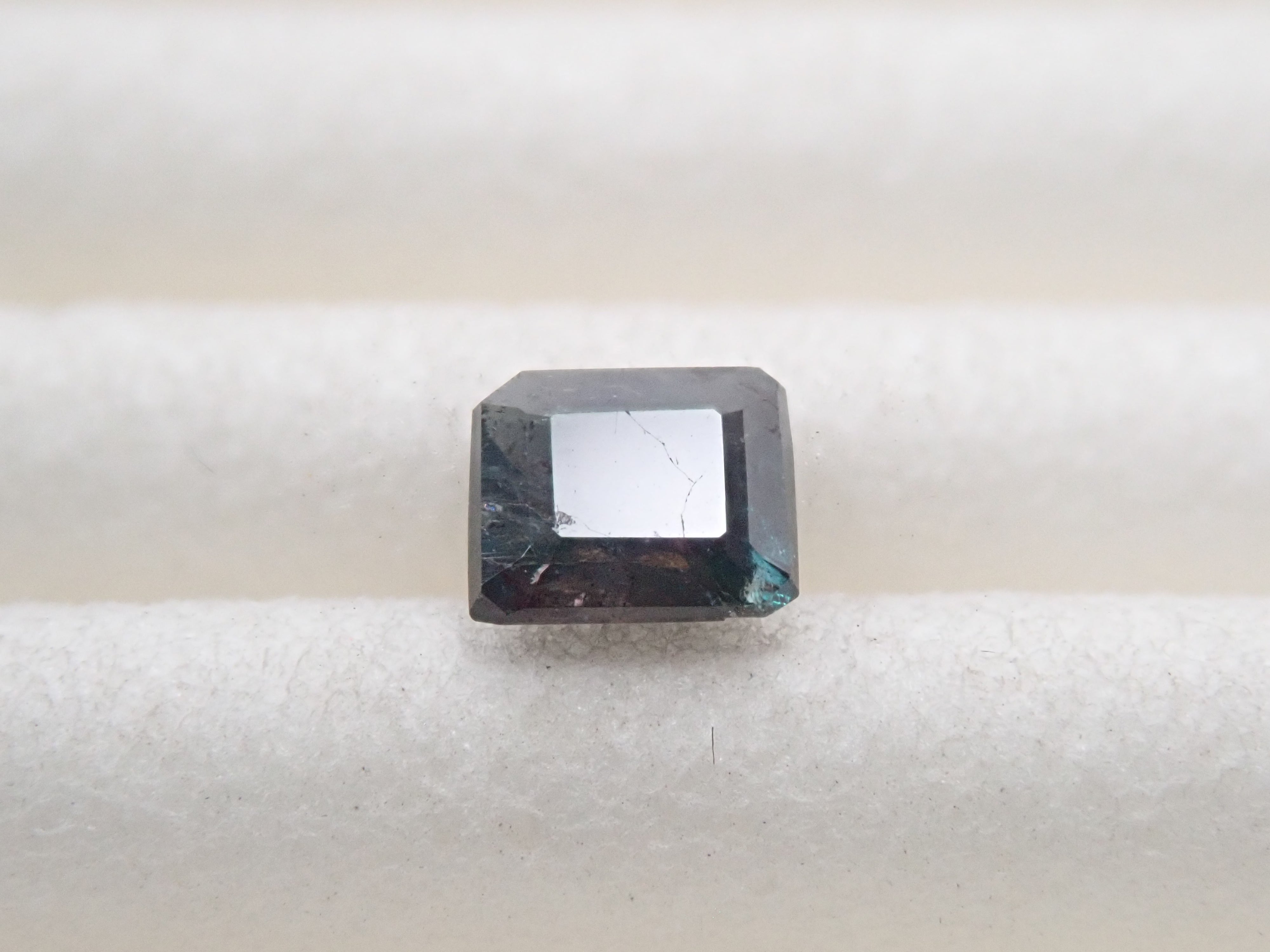
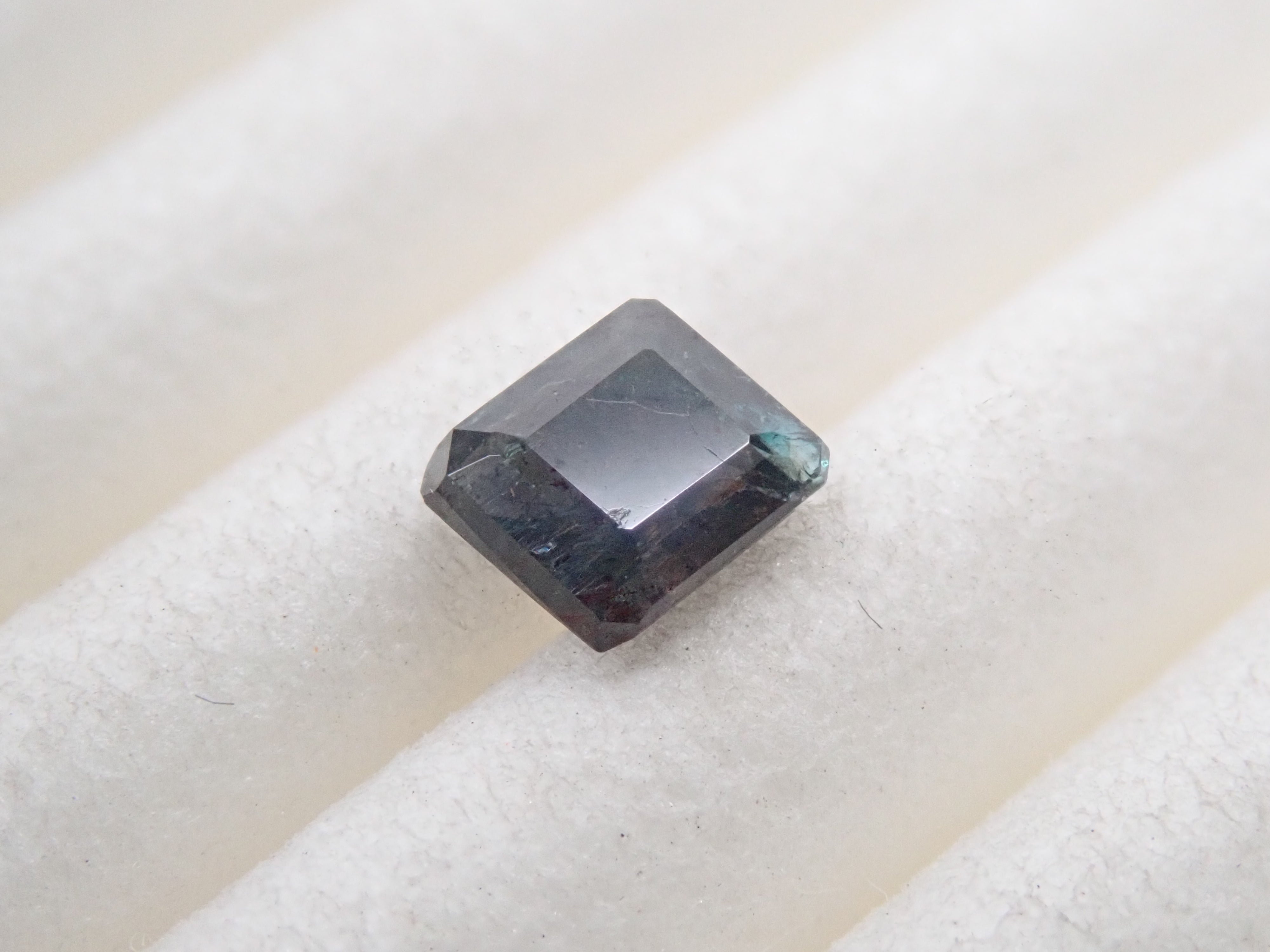
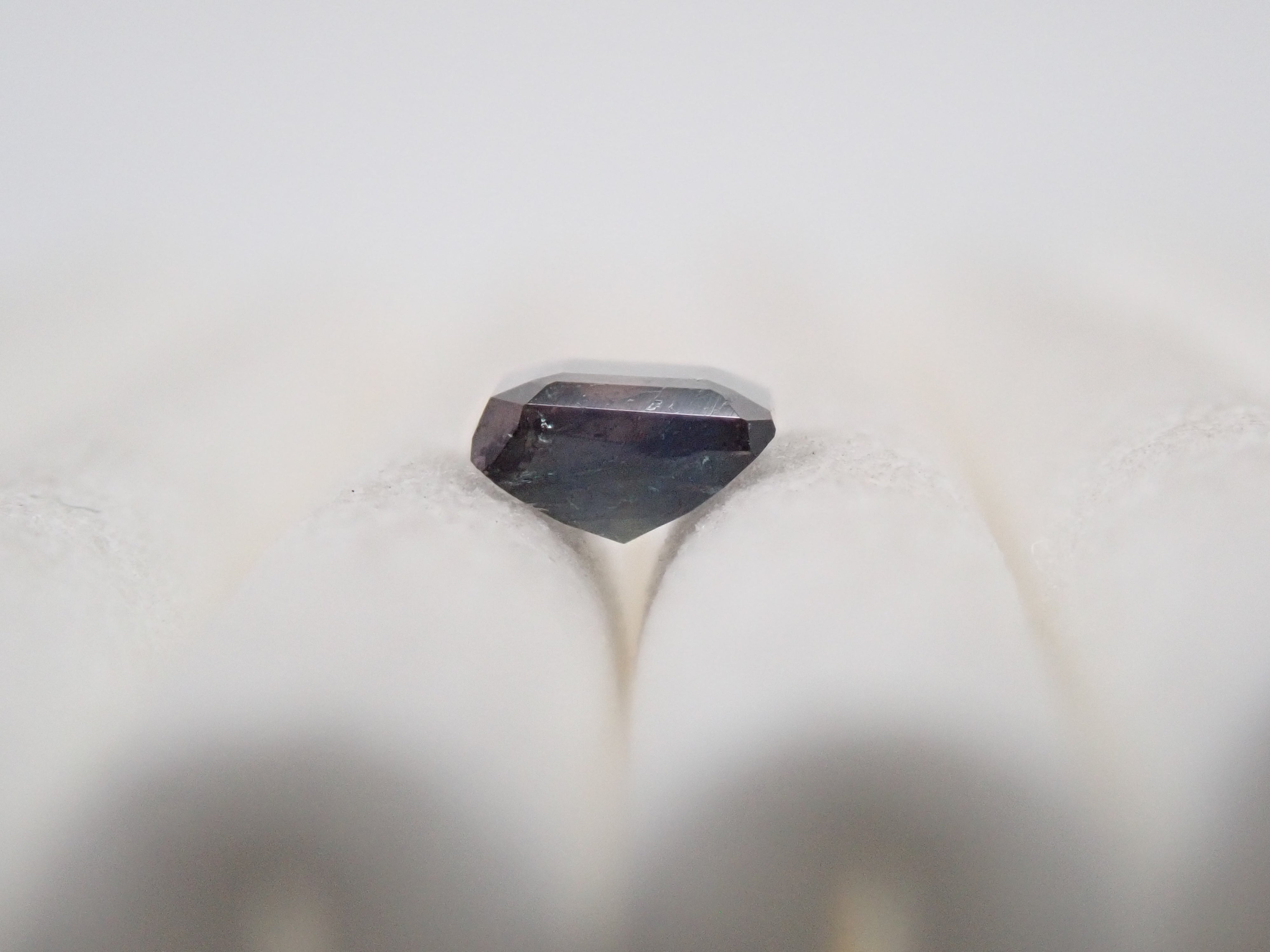
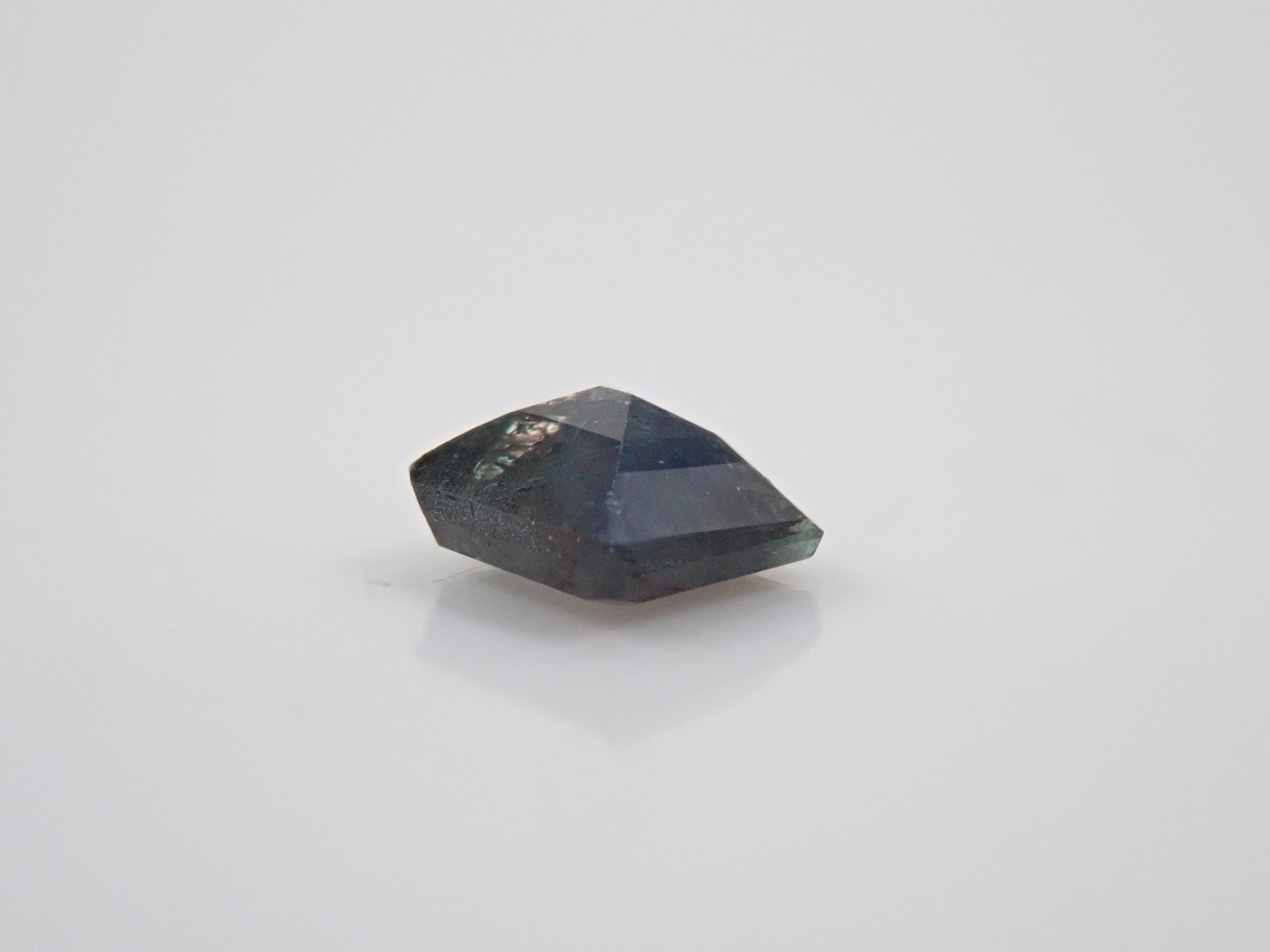
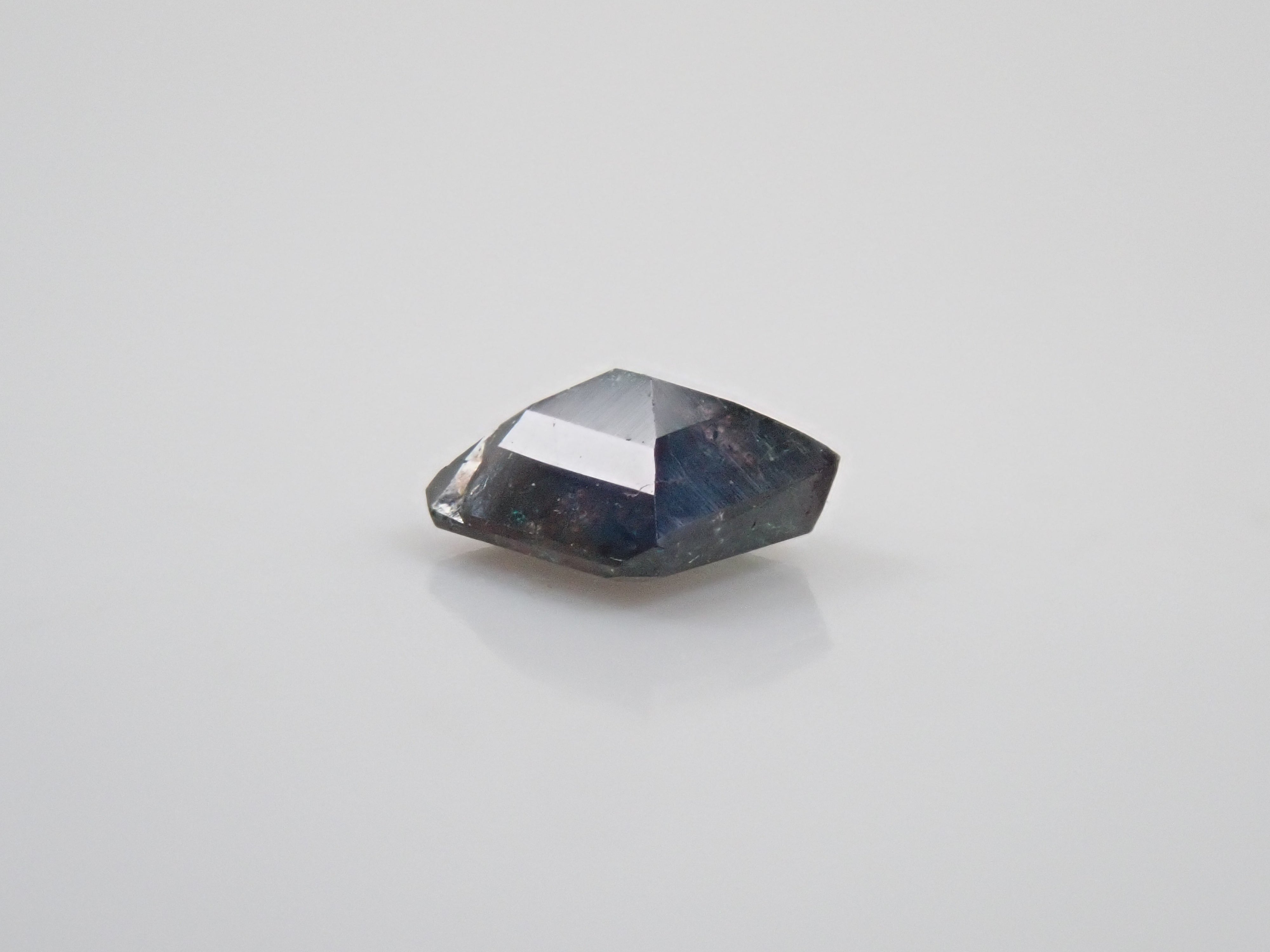
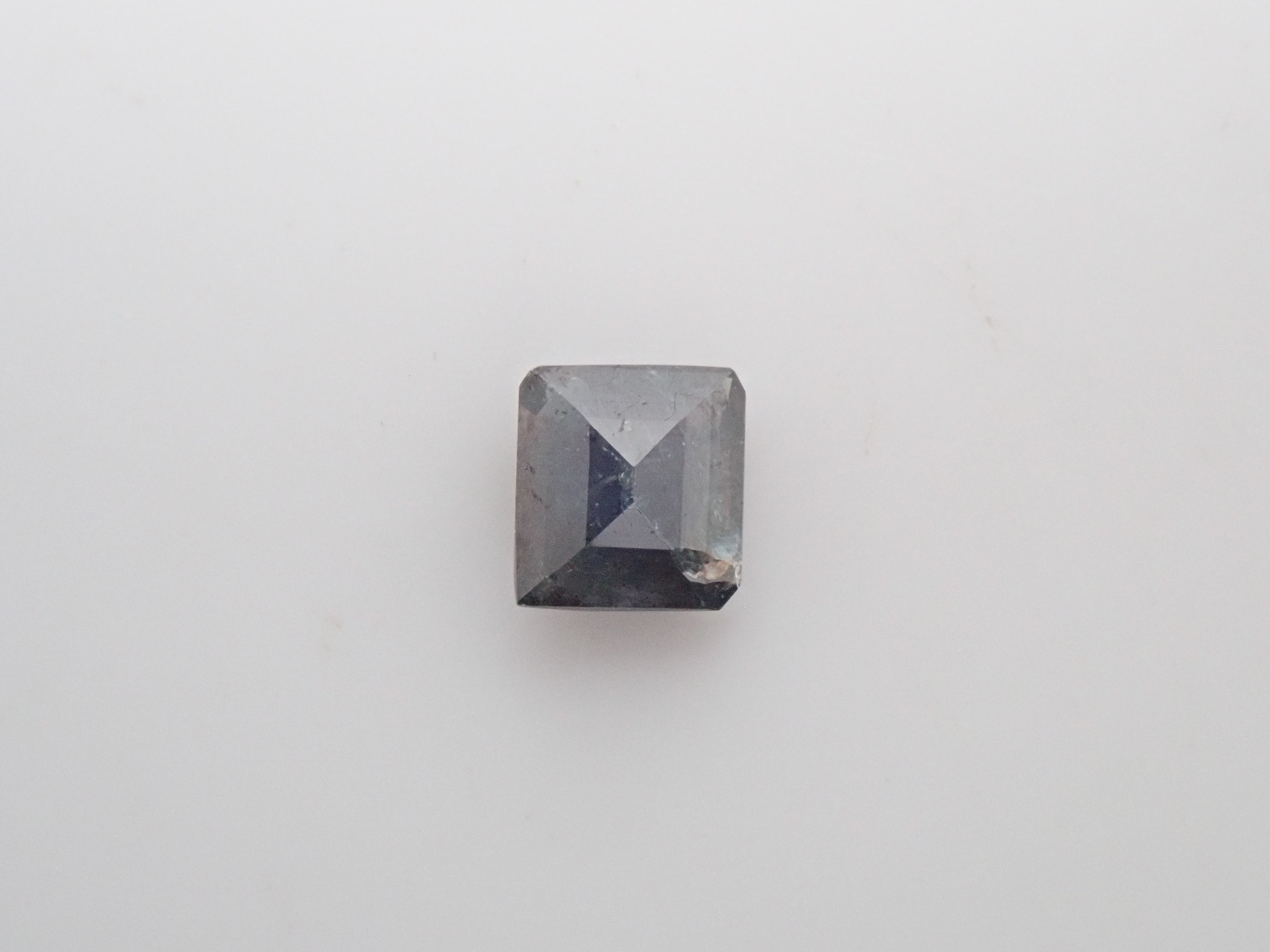
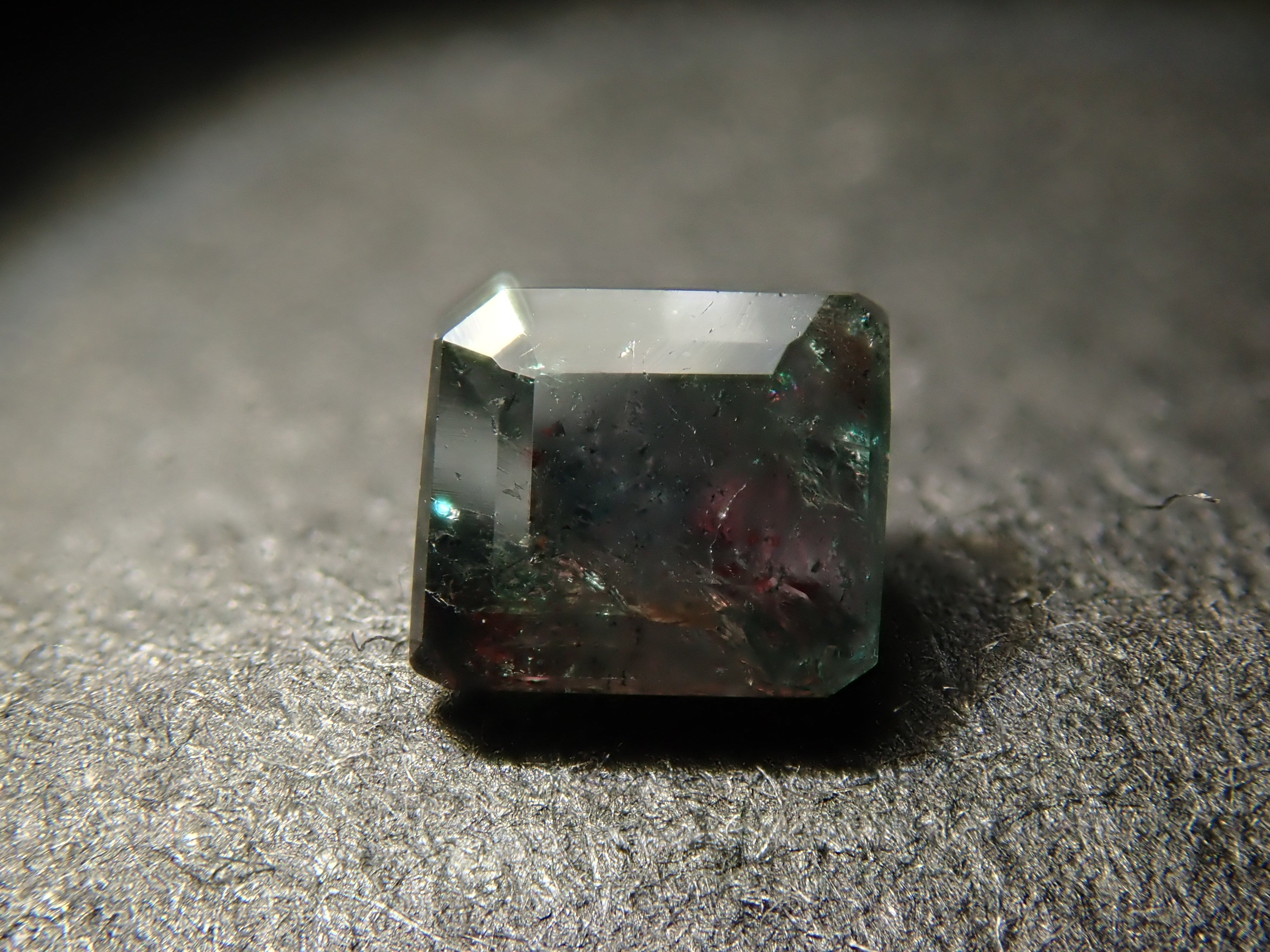
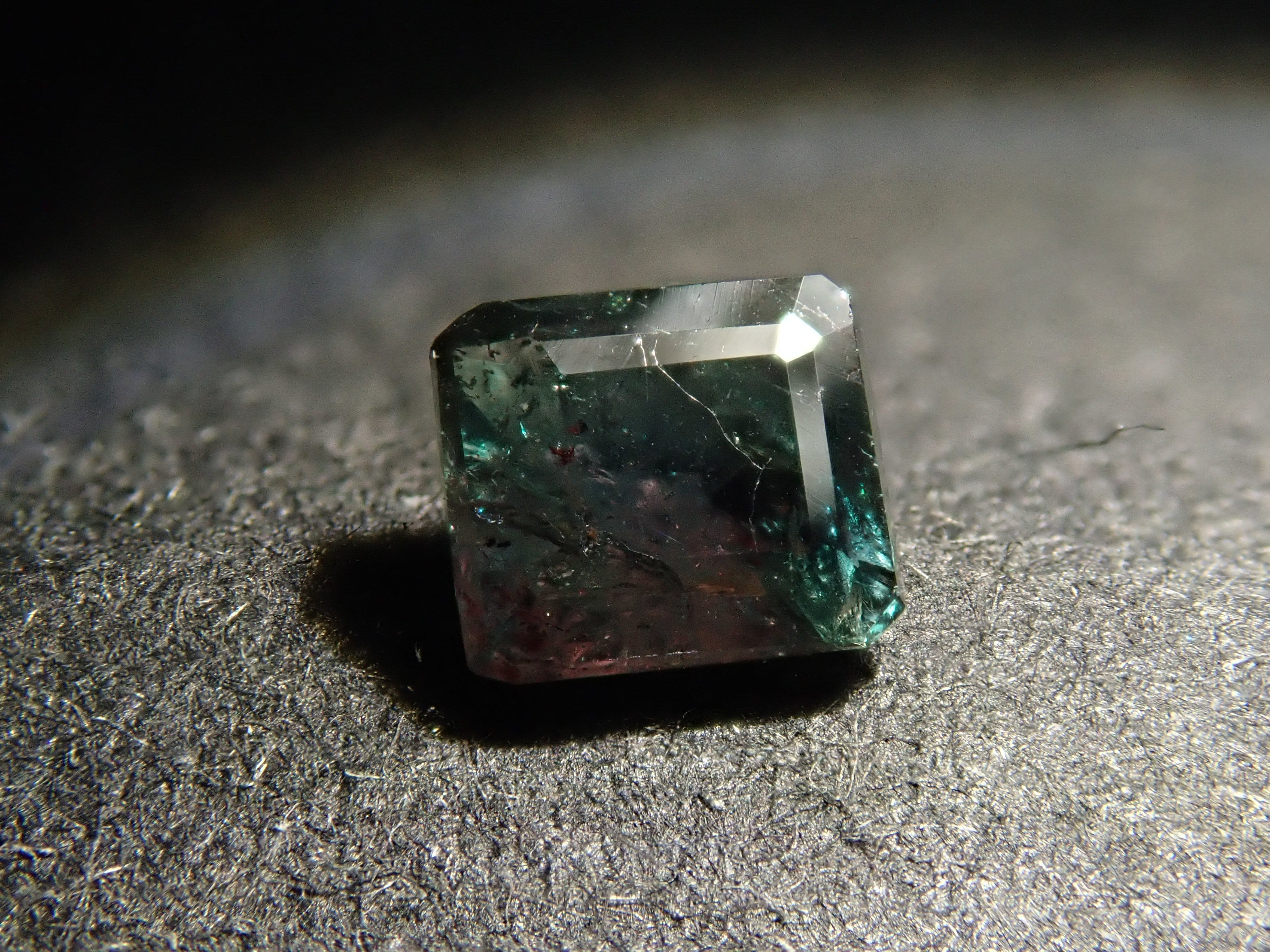
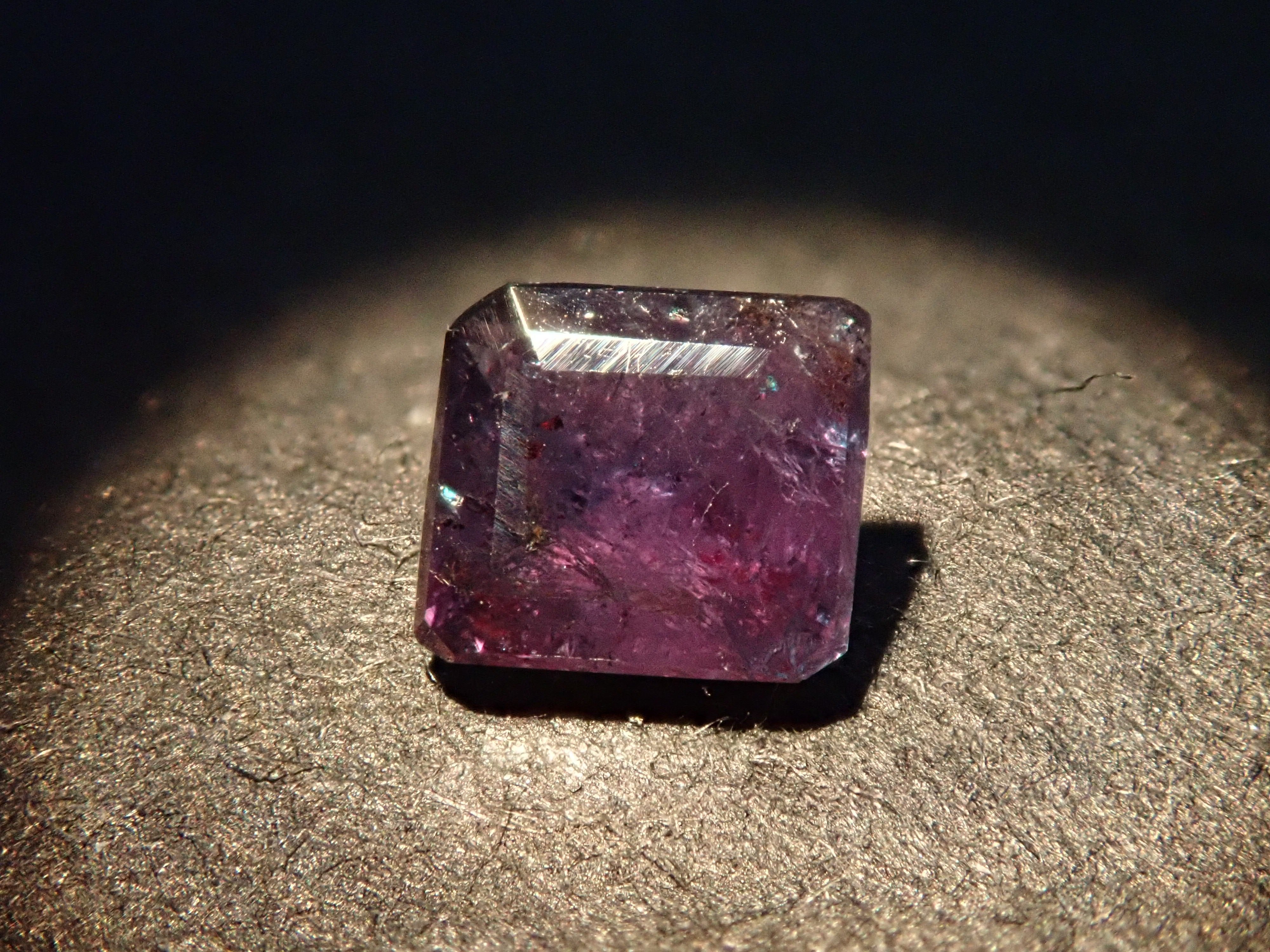
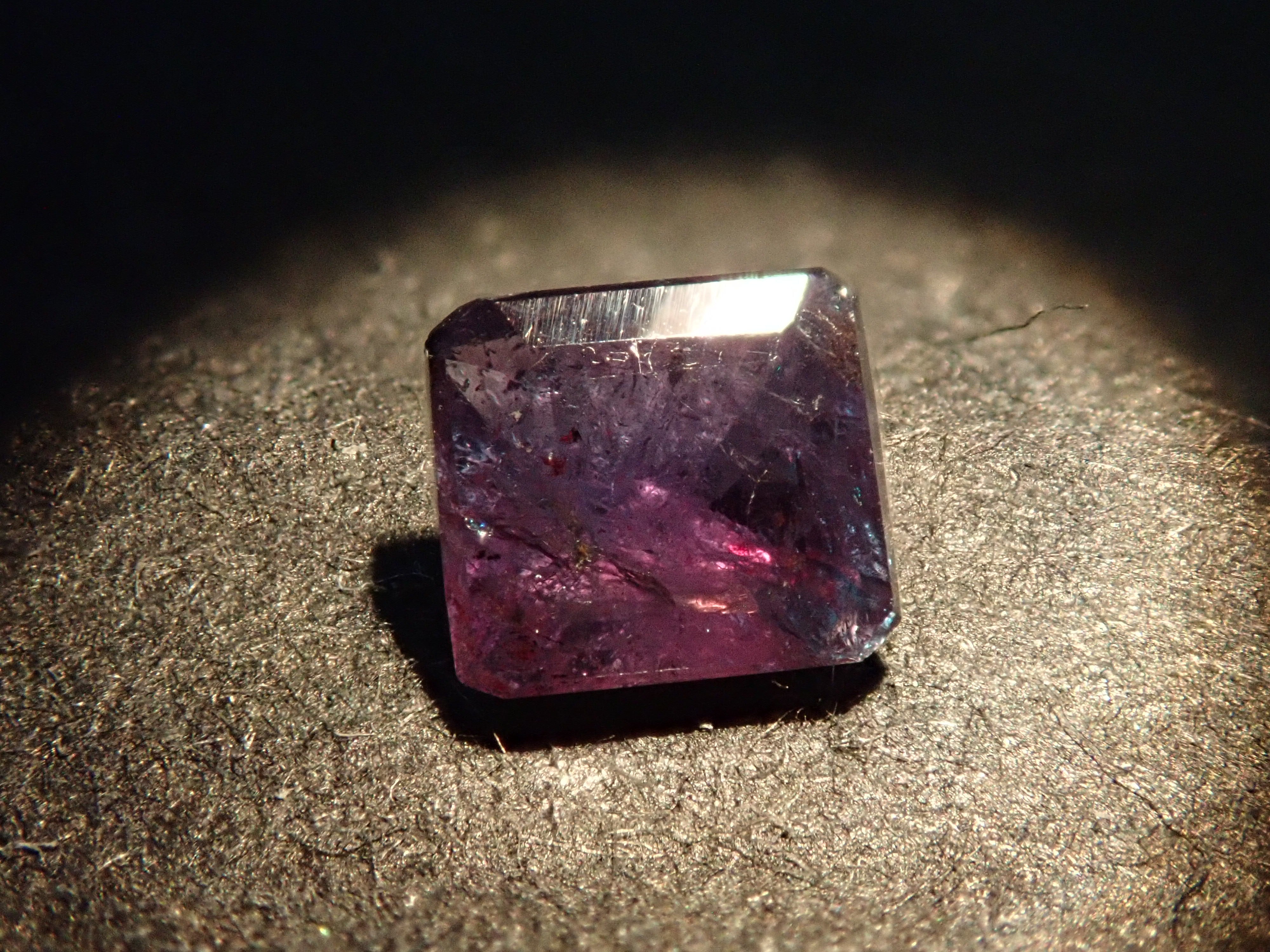
[Lottery Sale 0725_01] Indian Orissa Alexandrite 0.238ct Loose with Japan-Germany Gemological Report
Click here to enter the lottery sale.
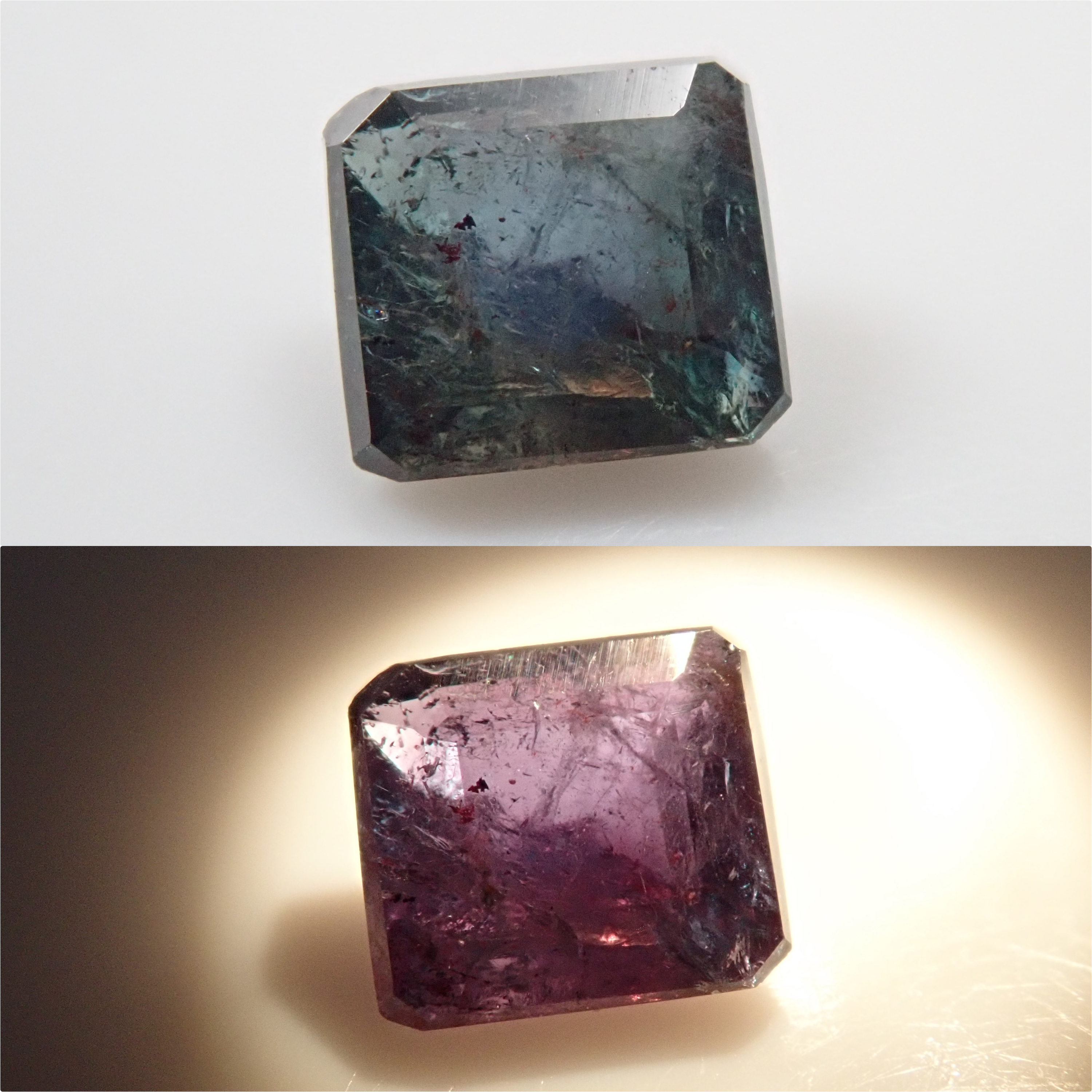
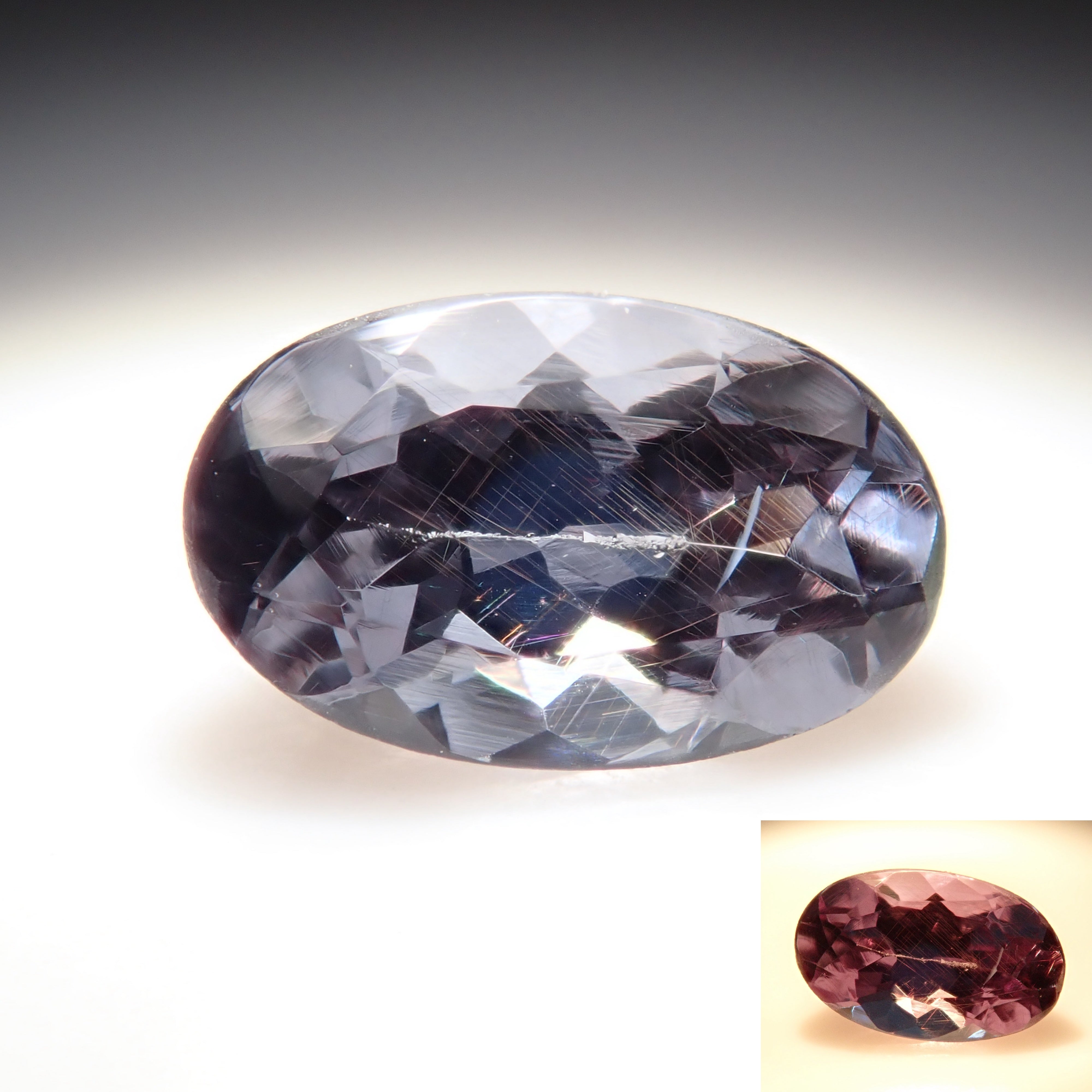
Alexandrite, also known as the "King of Gems," is a mystical gemstone discovered around 1830 in Russia's Ural Mountains. It changes color from green in natural daylight to red under incandescent light at night, hence its nickname "emerald by day, ruby by night." Today, Russian alexandrite is rarely circulated, with most coming from Brazil, Sri Lanka, and India. This particular alexandrite is from India. You can enjoy its color change with a red-spectrum color-changing penlight.
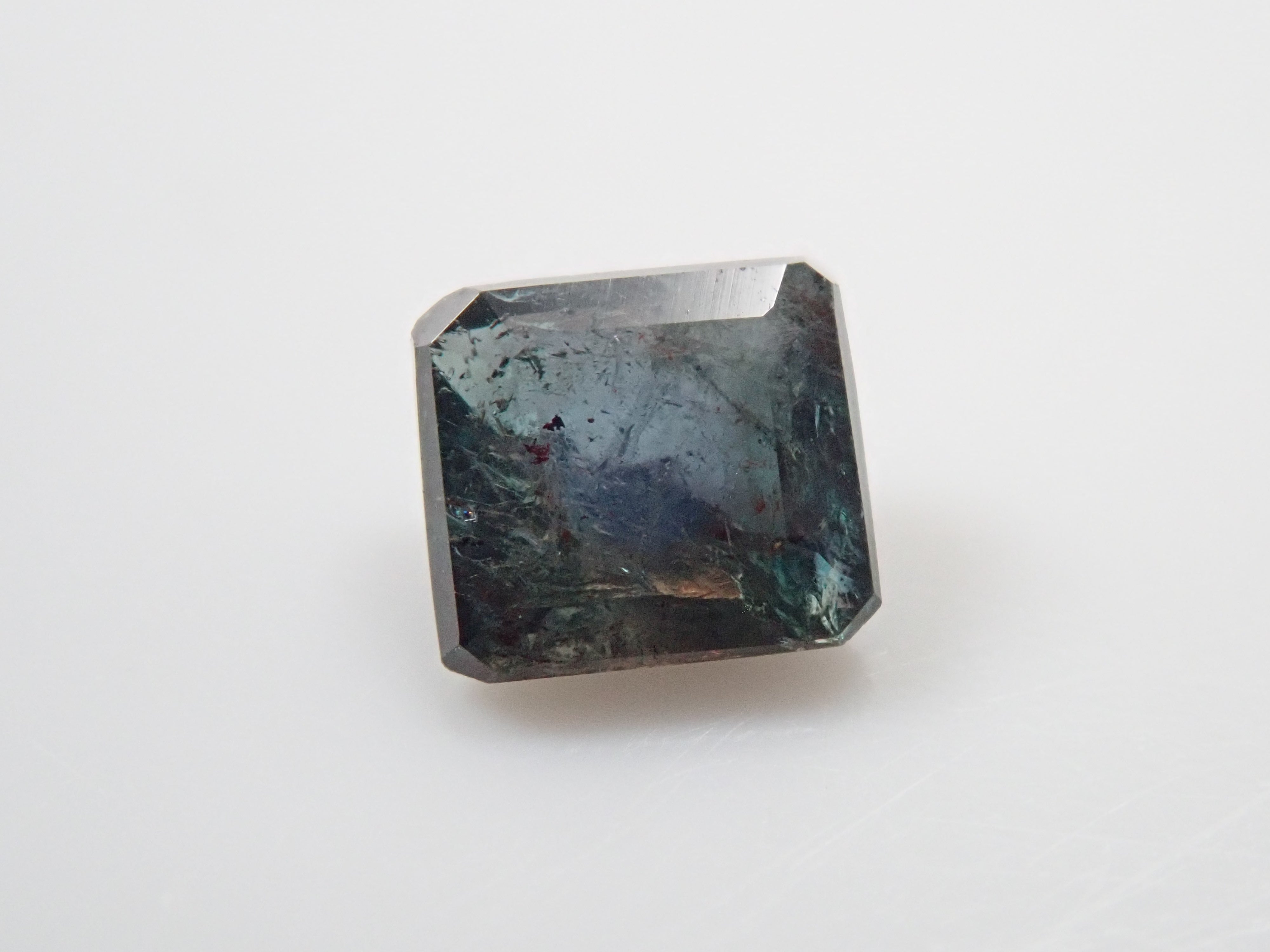
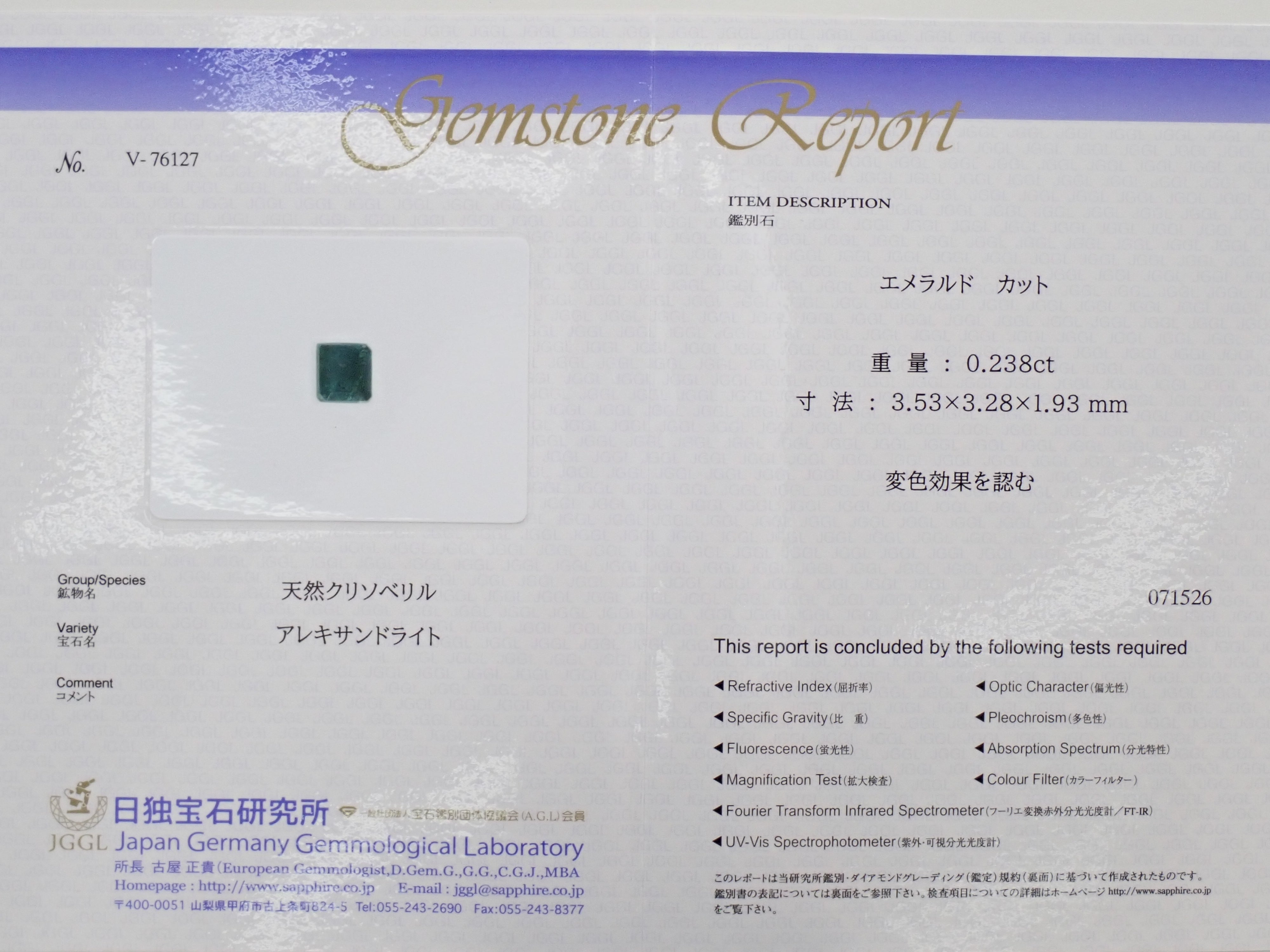
This is an old stock alexandrite from the Odisha mine in India. It is a rare old stock stone with limited availability, and while it contains inclusions, its vivid color change is captivating. It comes with a鑑別書 (identification certificate) from the Japan Germany Gemological Laboratory.
・Type: Loose Stone (Natural Gemstone)
・Gemstone Name: Indian Alexandrite (Alexandrite)
・Weight: 0.238ct
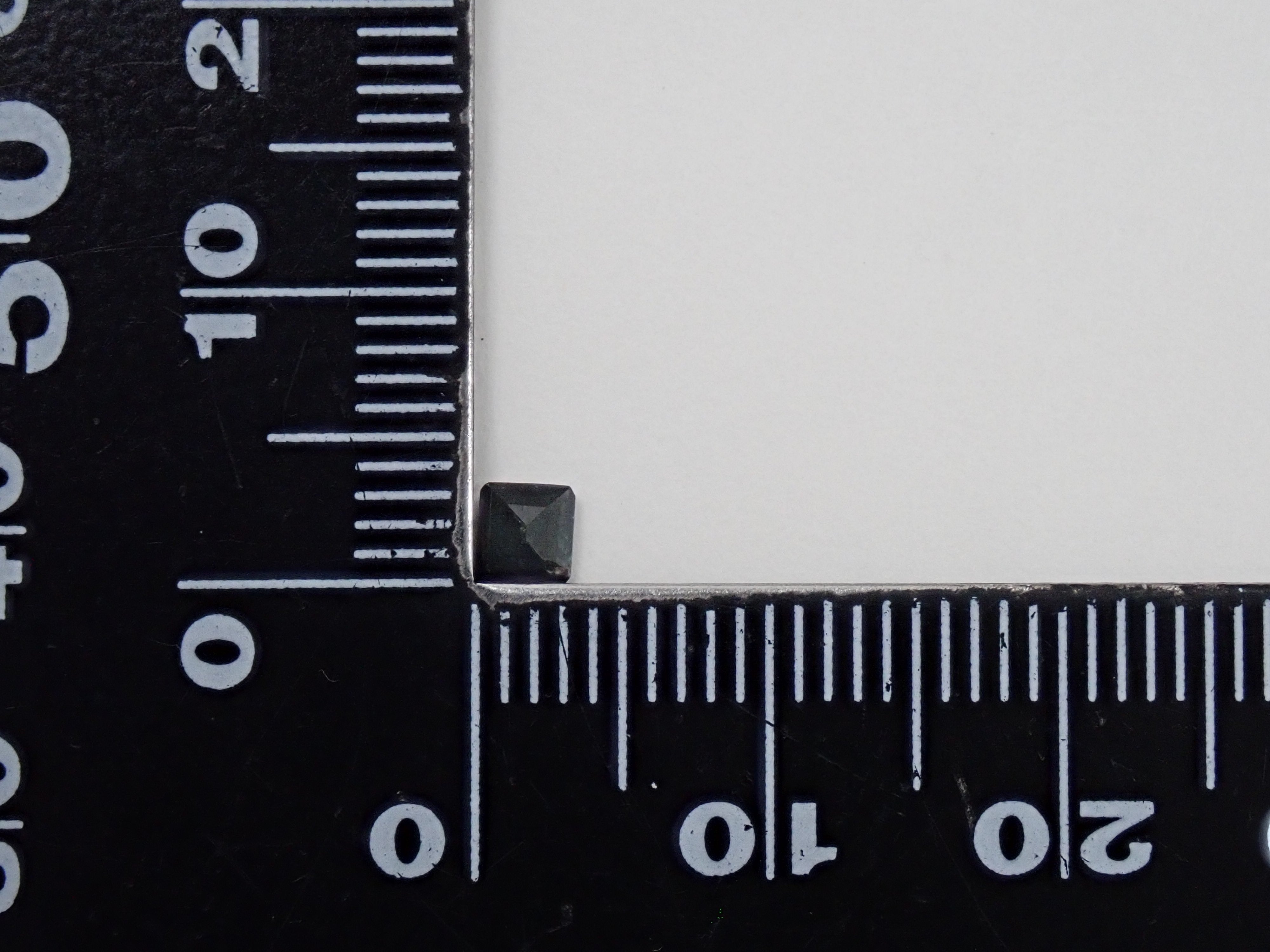
・Size: 3.5×3.3mm
・Shape: Emerald Cut
・Scratches/Chips: S-A+
・Remarks: ---
・Accessories: Identification Certificate (Japan Germany Gemological Laboratory), Loose stone case (If it doesn't fit, a clear zippered case)
▷Jewelry processing available
If you would like jewelry processing, please order with your desired setting from the link below.
・【Choose from stones】Simple Order
・【Choose from stones】Semi-Order
※If you would like a conceptual image of the stone in a setting, want to discuss a full custom order, or have any other questions, please feel free to contact us here.
※Raw stones are not eligible. Also, some stones may not be eligible.
※While we strive to ensure that the photos show the same color as the actual product, there may be slight differences due to lighting conditions during photography, monitor settings, and other factors. Also, some photos may be taken using a penlight.
※For products with UV fluorescence photos, we use a blacklight with a wavelength of 365nm for photography. If you use a light with a different wavelength (e.g., around 395nm), the fluorescence may appear weak or be difficult to confirm. The blacklight we use is here.
※For information on scratches, chips, treatments, and inclusions, please see here.
※For other frequently asked questions, please see here.
karatz_item_id: 12563967

以前カラッツさんでグリーンジルコンを購入しました。キラッキラでとても可愛くて別のジルコンもと思いラタナキリブルージルコンの抽選販売に応募。当選したときはとっても嬉しかったです。写真でもキラキラしていましたが、実物はさらにキラキラです!毎晩眺めてしまいます。
思ってたよりテリがすごくて驚いています。初めて実物を見た時、泣きそうになるくらい綺麗で感動しました。バイカラーなのでいろんな色の光り方が見られて楽しいです!あっという間に時間溶けます笑
大切にします!ありがとうございました!
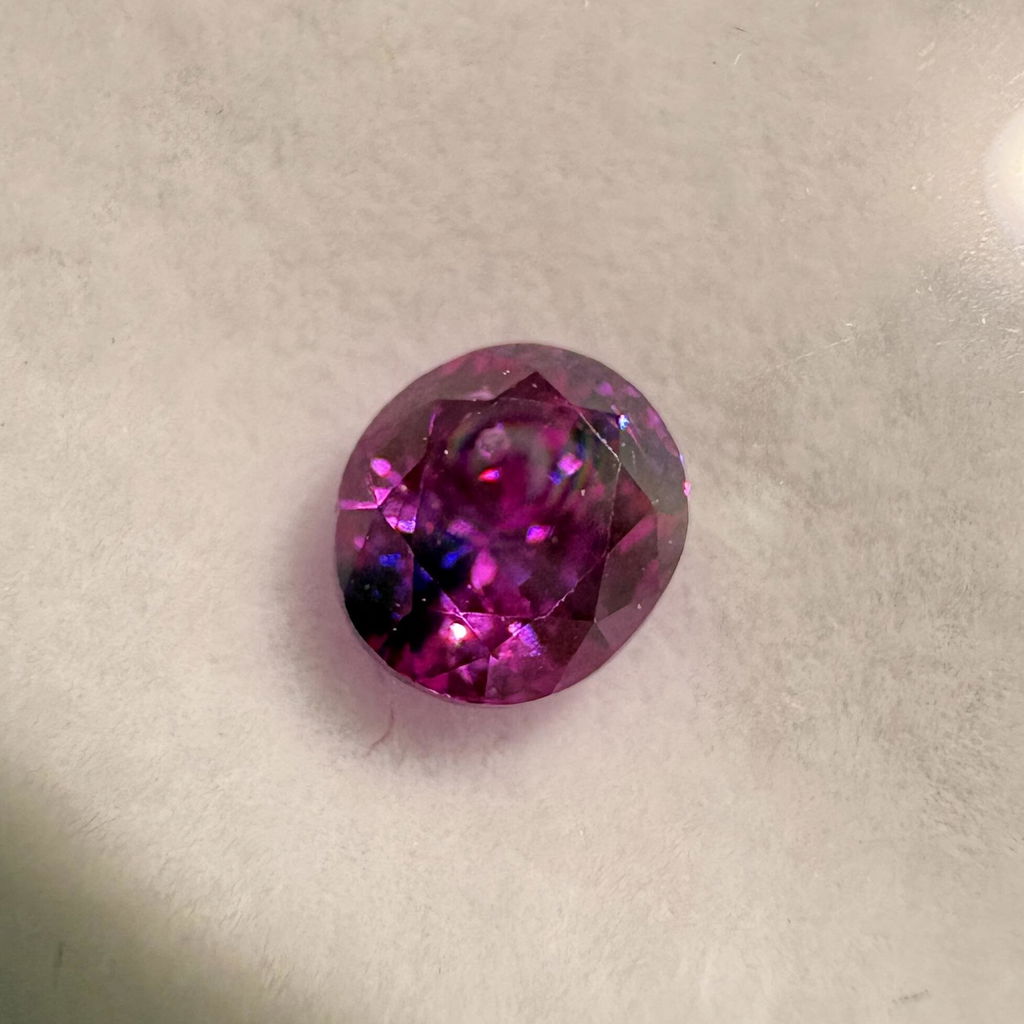
写真通りの可愛いバイカラーの子でした!吸い込まれるような深い青色を見ていると心が落ち着きます。ずっと眺めていたいと思うくらい虜になって癒されてます。大切にします!ありがとうございました。
兎にも角にも、届くまでにかなりの日数がかかる…
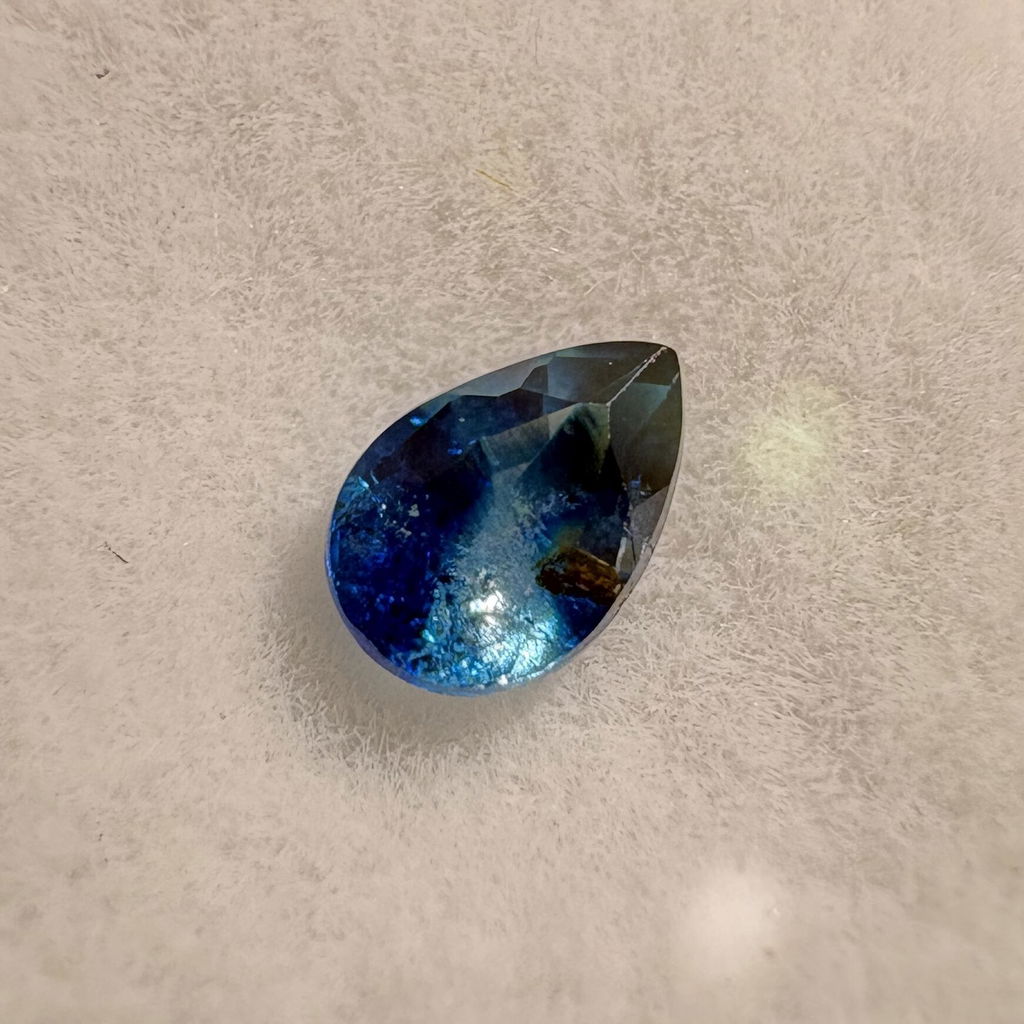
大小のキラキラが散らばっていて、ルースを傾けて見ると、様々な方向でキラキラの違う景色が見られます✨色合いもとても素敵なスミレ色で、カラーレスに見えたり深みのある色に見えたり、とても気に入っています。
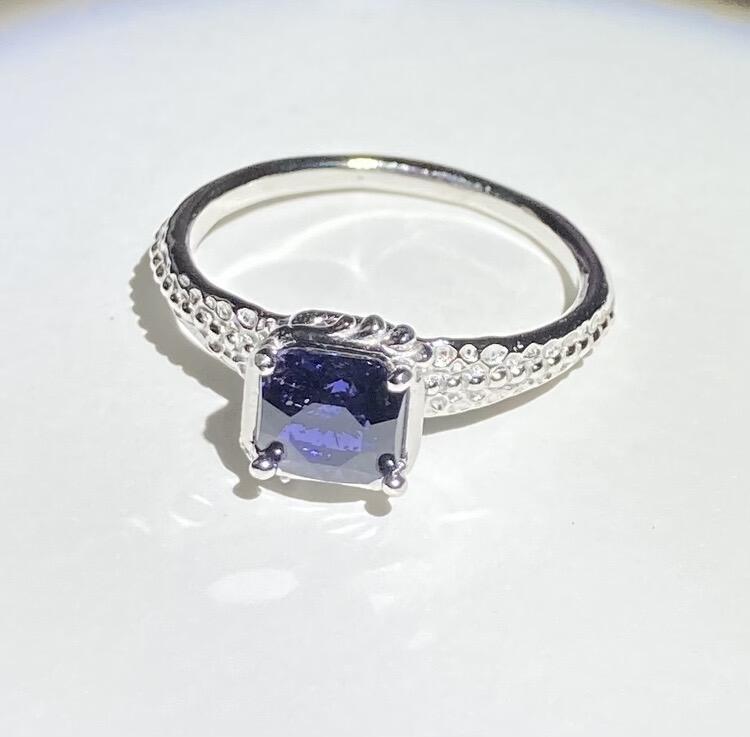
カルサイトの中でも特に希少なコバルトピンクカルサイトを購入しました。大変綺麗で品質も良かったです。梱包も丁寧でした。このたびはありがとうございました。
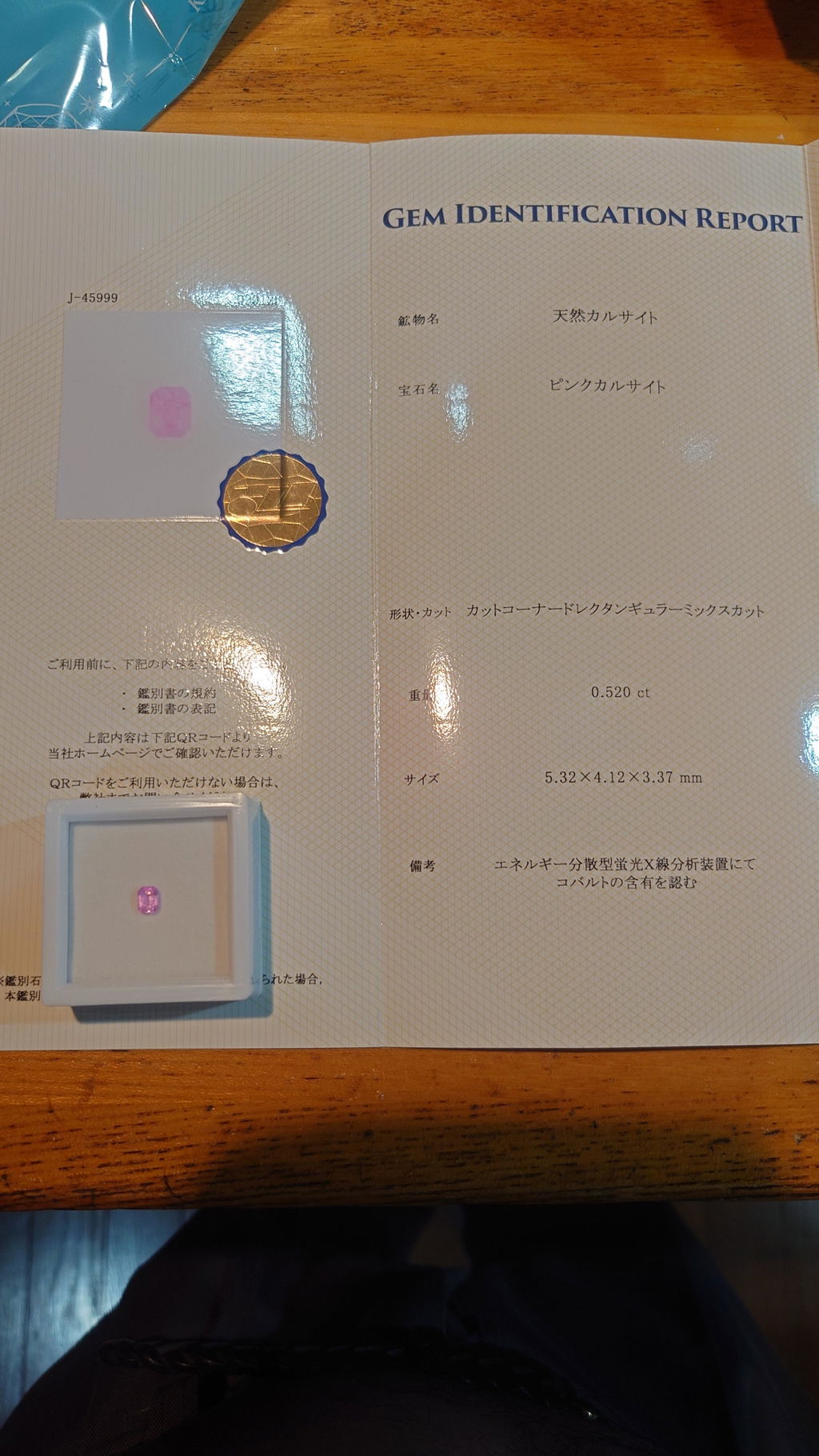
クォーツの透明感とインディゴライトのブルーが爽やかな、雨の風景のようなとても素敵なルースです。
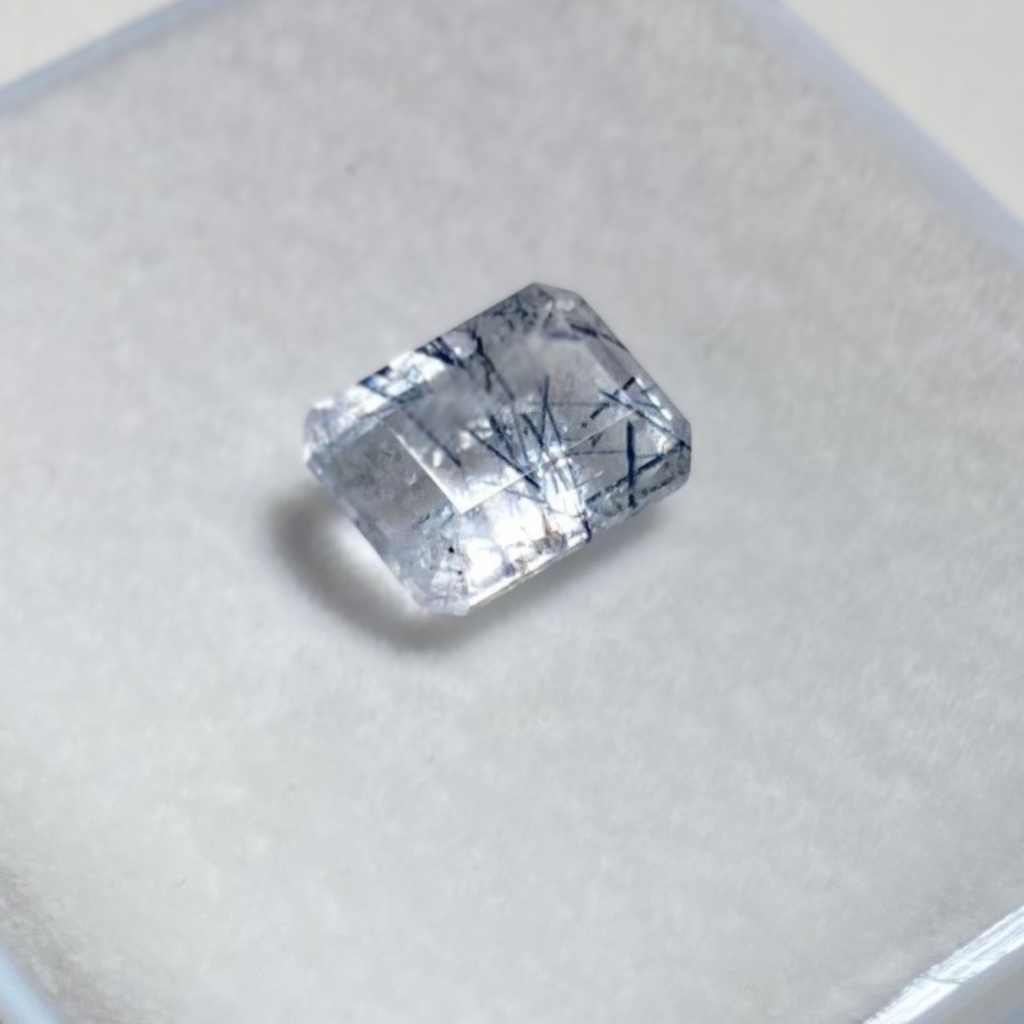
ずっと欲しかったブラックスピネル
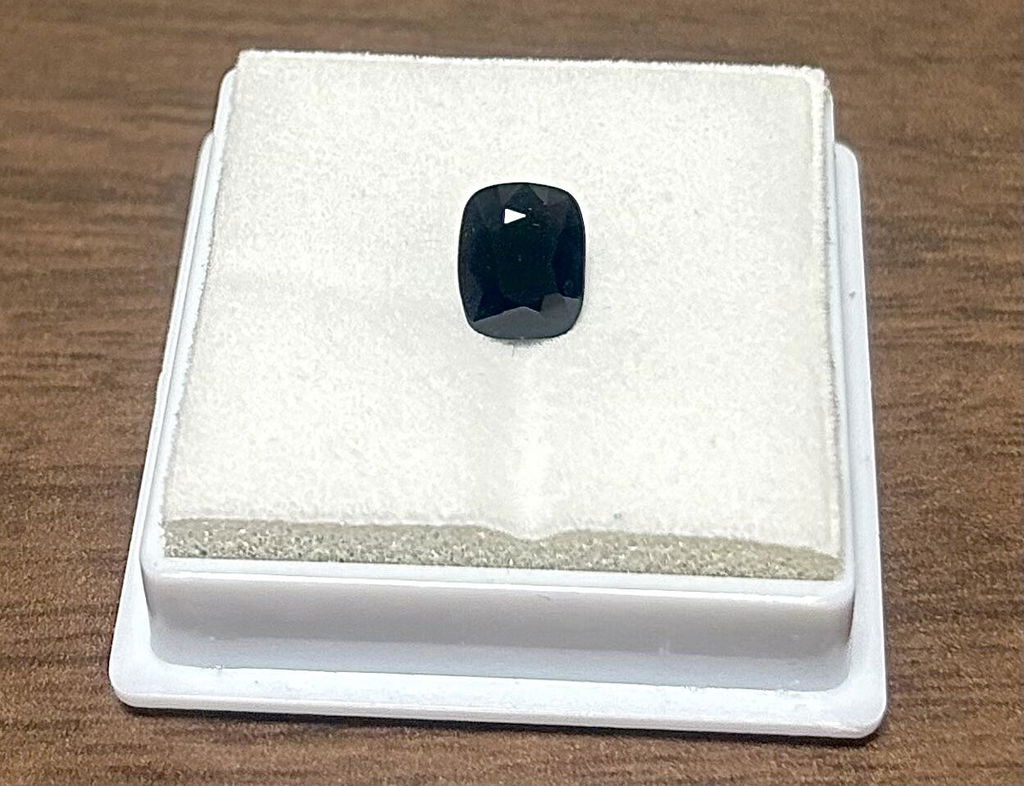
大きさも形も美しい
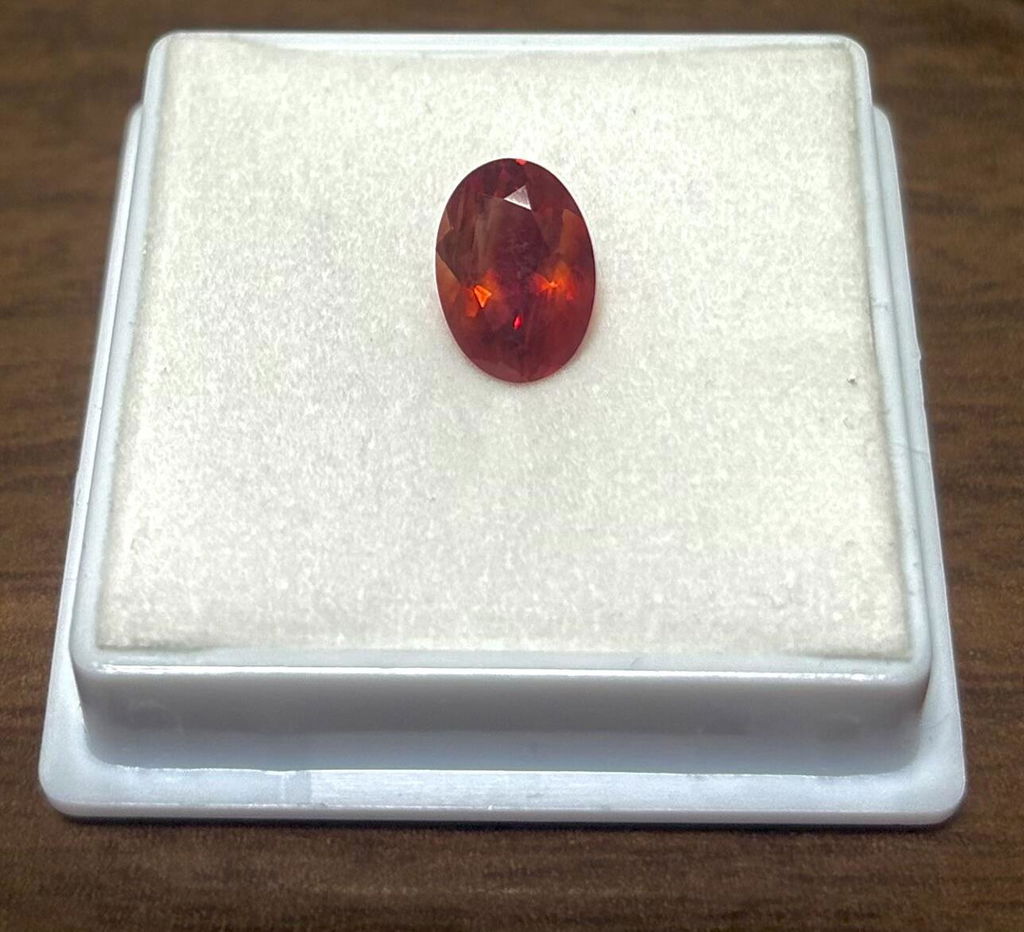
刺し色に入った白が見る角度によって濃い赤との差が見ていて飽きない、ライトを当てるとより明確に白の境界が美しい
紹介写真通りの品物が届きました。
宝石専門店さんからの購入は始めてで大変緊張しましたが、配送時のお気遣いや同封されていたシール付きのかわいらしい名刺もとても嬉しかったです。大切にします。
国産のガーネットということで興味があり購入しました。光に当てるとキラキラとして綺麗です。
可愛らしいピンク色で一目ぼれでした。購入してよかったです。
小さいけれど綺麗なルースで鑑別書もついていて安心でした。大事にしたいと思います。今回はありがとうございました。
天然石、初購入です。小さいけれど存在感あります。購入者の好みになるよう細かくオーダーを聞いてもらえますし、自分では気付なかった部分も職人さん達が細やかな配慮をほどこしてくださいました。素敵な仕上がりを光にかざしながら感激しております。ありがとうございました。
とても綺麗なルースでした。
ため息が出そうな、うるうるの血赤珊瑚です😊湿度とか紫外線とか管理が難しそうですが、時々取り出して眺めようと思います。大事にします。ありがとうございました。
フォスフォフィライトが欲しかった、というよりは透明感がある柔らかなグリーンとほのかに蛍光感があるところがとても好みで、清水買いでしたが全く後悔していません。大きさも申し分なく、今まで小さすぎなければいい、くらいの気持ちでしたが、やっぱり大きいと色が堪能できて良いですね。時間帯によって色合いが少し変わりますが、どの色も眺めていて飽きません。一旦しまってからすぐにまた見たくなってしまうので不思議です。
非加熱のサファイアを購入したのは初めてなのですが、色が濃く、とても綺麗でした。
ピンクと青色のバイカラーがとても綺麗!
透明度もすごく高くて可愛いです!
良いルースだと思います。
カラツさんにはカシミールサファイヤで驚かされ、今度はデマントイドの見事なホーステールで驚きました。
特別なルースを紹介して貰い感激しています、ありがとうございます
人工でしっかりカラーチェンジしてくれる物が欲しかったのでとても満足しています。小さくてもとてもキラキラ輝いてくれるので見る度に楽しくなります。
とても良いルースでした。
0.22ctですが、思っていたより面が高さに取られて狭かったので、残念です。
色に関しては、良い色だと感じています。
素敵なアクワマリンで、大変満足しています。キラキラした石を見ていると心も輝きます。3月生まれで良かったと思いました。
緑がかった色が珍しくて購入しました。蛍光性はまだ試してみていないのですが楽しみです。希少なダイヤモンドなのにお手頃価格でした。
初マラウイムーンストーンの購入でしたが、とても綺麗でした。他のも購入したくなりました。
大きくてしっかりカラーチェンジするのでとても気に入りました。
写真に偽りなし!掲載されている通りの憧れのパライバ原石が届き大変満足しています。
Choose options
[Lottery Sale 0725_01] Indian Orissa Alexandrite 0.238ct Loose with Japan-Germany Gemological Report
以前カラッツさんでグリーンジルコンを購入しました。キラッキラでとても可愛くて別のジルコンもと思いラタナキリブルージルコンの抽選販売に応募。当選したときはとっても嬉しかったです。写真でもキラキラしていましたが、実物はさらにキラキラです!毎晩眺めてしまいます。
思ってたよりテリがすごくて驚いています。初めて実物を見た時、泣きそうになるくらい綺麗で感動しました。バイカラーなのでいろんな色の光り方が見られて楽しいです!あっという間に時間溶けます笑
大切にします!ありがとうございました!
写真通りの可愛いバイカラーの子でした!吸い込まれるような深い青色を見ていると心が落ち着きます。ずっと眺めていたいと思うくらい虜になって癒されてます。大切にします!ありがとうございました。
兎にも角にも、届くまでにかなりの日数がかかる…
大小のキラキラが散らばっていて、ルースを傾けて見ると、様々な方向でキラキラの違う景色が見られます✨色合いもとても素敵なスミレ色で、カラーレスに見えたり深みのある色に見えたり、とても気に入っています。
カルサイトの中でも特に希少なコバルトピンクカルサイトを購入しました。大変綺麗で品質も良かったです。梱包も丁寧でした。このたびはありがとうございました。
クォーツの透明感とインディゴライトのブルーが爽やかな、雨の風景のようなとても素敵なルースです。
ずっと欲しかったブラックスピネル
大きさも形も美しい
刺し色に入った白が見る角度によって濃い赤との差が見ていて飽きない、ライトを当てるとより明確に白の境界が美しい
紹介写真通りの品物が届きました。
宝石専門店さんからの購入は始めてで大変緊張しましたが、配送時のお気遣いや同封されていたシール付きのかわいらしい名刺もとても嬉しかったです。大切にします。
国産のガーネットということで興味があり購入しました。光に当てるとキラキラとして綺麗です。
可愛らしいピンク色で一目ぼれでした。購入してよかったです。
小さいけれど綺麗なルースで鑑別書もついていて安心でした。大事にしたいと思います。今回はありがとうございました。
天然石、初購入です。小さいけれど存在感あります。購入者の好みになるよう細かくオーダーを聞いてもらえますし、自分では気付なかった部分も職人さん達が細やかな配慮をほどこしてくださいました。素敵な仕上がりを光にかざしながら感激しております。ありがとうございました。
とても綺麗なルースでした。
ため息が出そうな、うるうるの血赤珊瑚です😊湿度とか紫外線とか管理が難しそうですが、時々取り出して眺めようと思います。大事にします。ありがとうございました。
フォスフォフィライトが欲しかった、というよりは透明感がある柔らかなグリーンとほのかに蛍光感があるところがとても好みで、清水買いでしたが全く後悔していません。大きさも申し分なく、今まで小さすぎなければいい、くらいの気持ちでしたが、やっぱり大きいと色が堪能できて良いですね。時間帯によって色合いが少し変わりますが、どの色も眺めていて飽きません。一旦しまってからすぐにまた見たくなってしまうので不思議です。
非加熱のサファイアを購入したのは初めてなのですが、色が濃く、とても綺麗でした。
ピンクと青色のバイカラーがとても綺麗!
透明度もすごく高くて可愛いです!
良いルースだと思います。
カラツさんにはカシミールサファイヤで驚かされ、今度はデマントイドの見事なホーステールで驚きました。
特別なルースを紹介して貰い感激しています、ありがとうございます
人工でしっかりカラーチェンジしてくれる物が欲しかったのでとても満足しています。小さくてもとてもキラキラ輝いてくれるので見る度に楽しくなります。
とても良いルースでした。
0.22ctですが、思っていたより面が高さに取られて狭かったので、残念です。
色に関しては、良い色だと感じています。
素敵なアクワマリンで、大変満足しています。キラキラした石を見ていると心も輝きます。3月生まれで良かったと思いました。
緑がかった色が珍しくて購入しました。蛍光性はまだ試してみていないのですが楽しみです。希少なダイヤモンドなのにお手頃価格でした。
初マラウイムーンストーンの購入でしたが、とても綺麗でした。他のも購入したくなりました。
大きくてしっかりカラーチェンジするのでとても気に入りました。
写真に偽りなし!掲載されている通りの憧れのパライバ原石が届き大変満足しています。
Today's new arrivals

![[10/ 22:00 Sale] 《Limited to 15 Stones》 Rare Stone Gacha 《Multiple Purchase Discount Available》](http://store.karatz.jp/cdn/shop/files/collage_050a75e9-20d3-45c3-b236-bae30a97bc35.png?v=1792237901&width=2000)
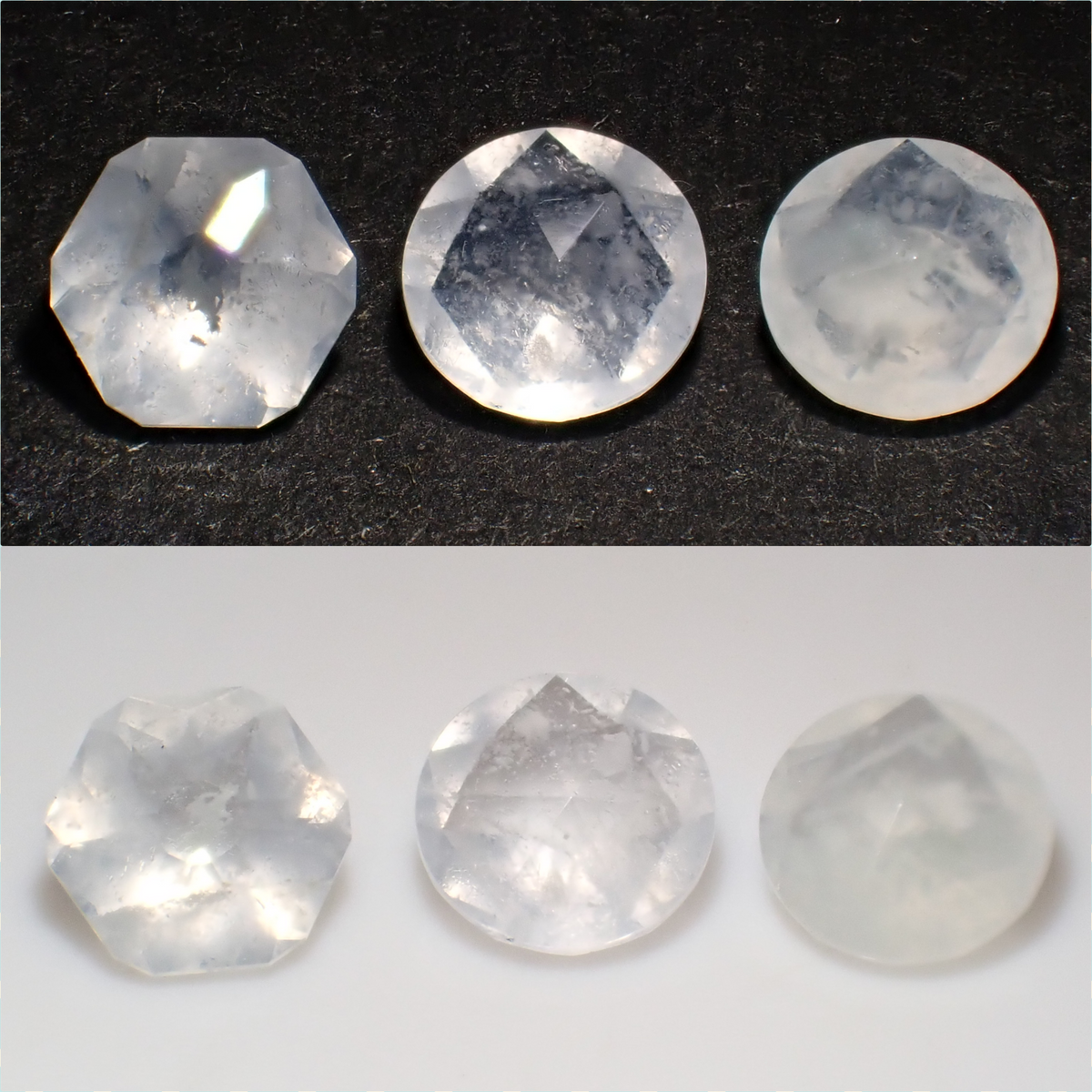
【10/23 22時販売】《限定3石》クォーツアイトガチャ1石ルース(カスタムカット、4.7~4.9mm、サンジェ氏)《複数購入割引有》
Sale price¥3,980
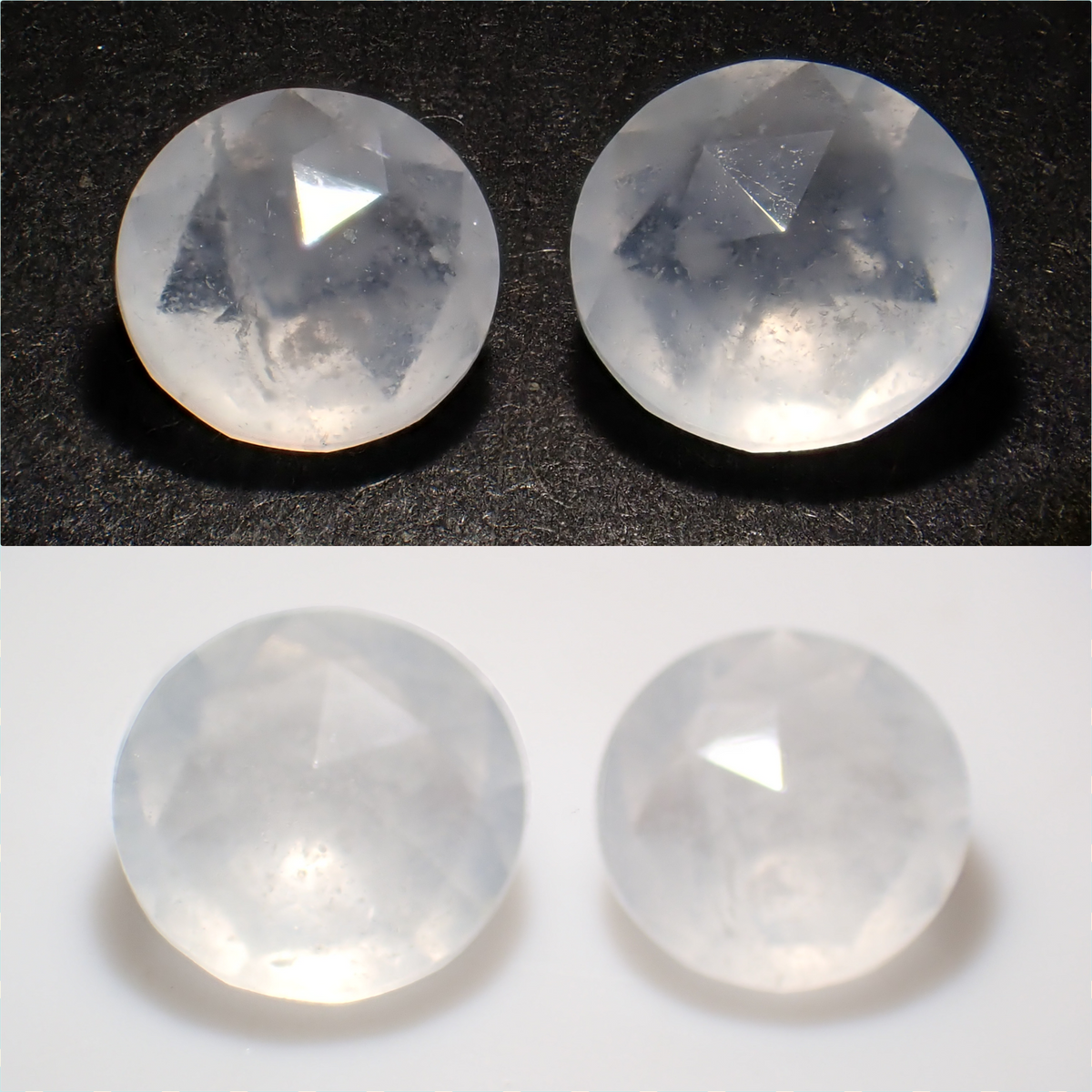
【10/23 22時販売】《限定2石》クォーツアイトガチャ1石ルース(ローズカット、5.5~6.1mm、サンジェ氏)《複数購入割引有》
Sale price¥5,980
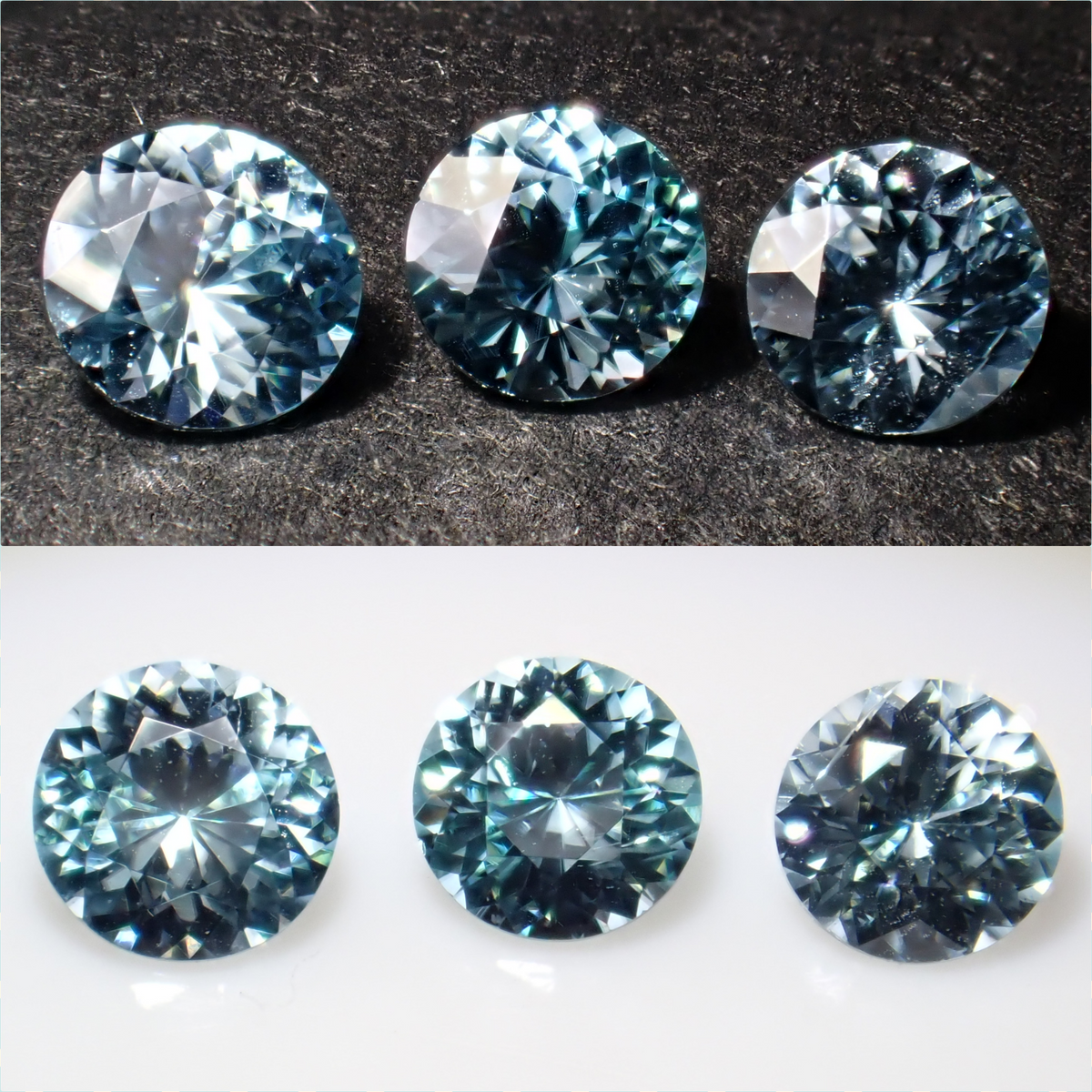
【10/24 22時販売】《限定3石》アイスブルージルコン(ラウンドカット2.7~2.9mm、サンジェ氏)《複数購入割引有》
Sale price¥3,980
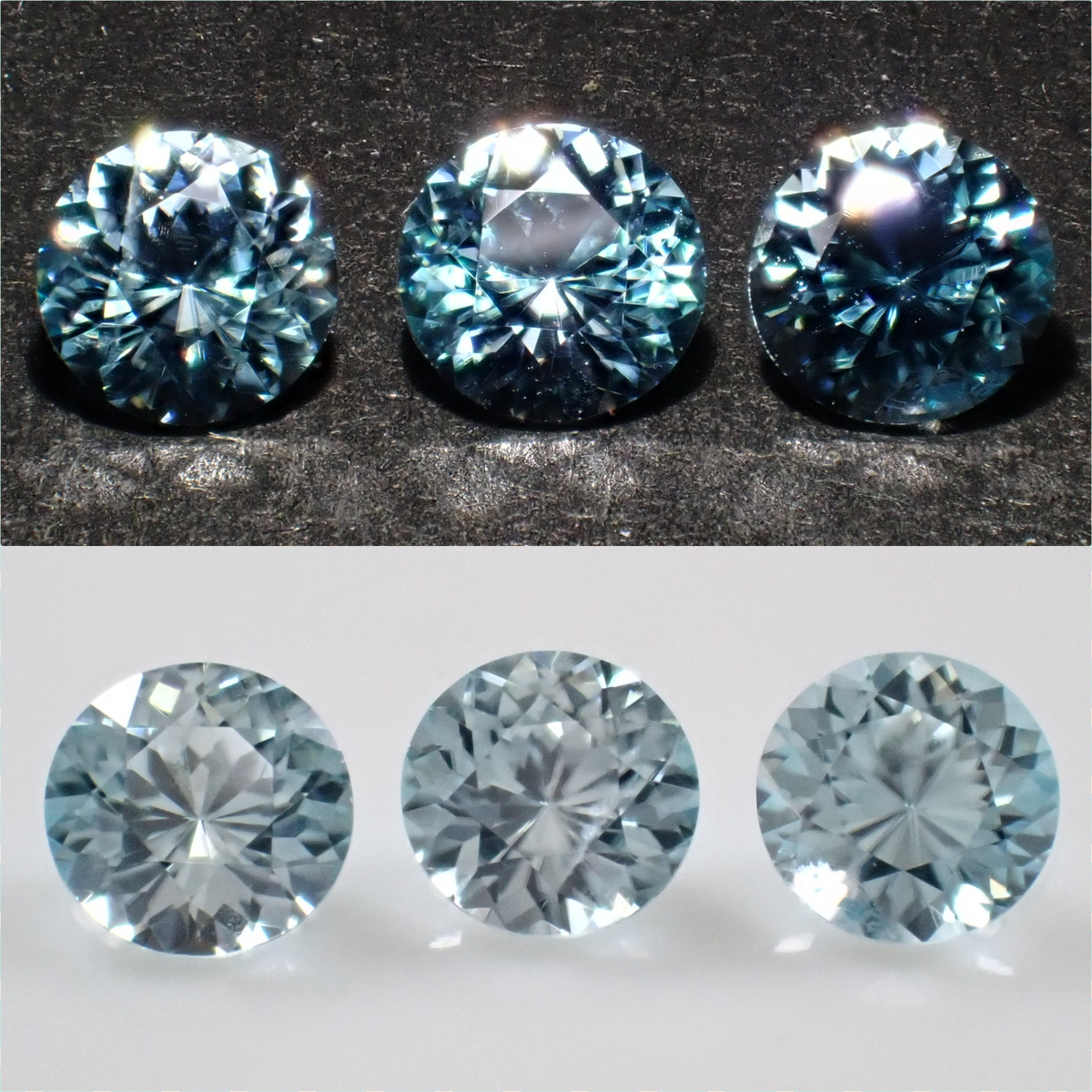
【10/24 22時販売】《限定3石》アイスブルージルコン(ラウンドカット3.3mm、サンジェ氏)《複数購入割引有》
Sale price¥4,580
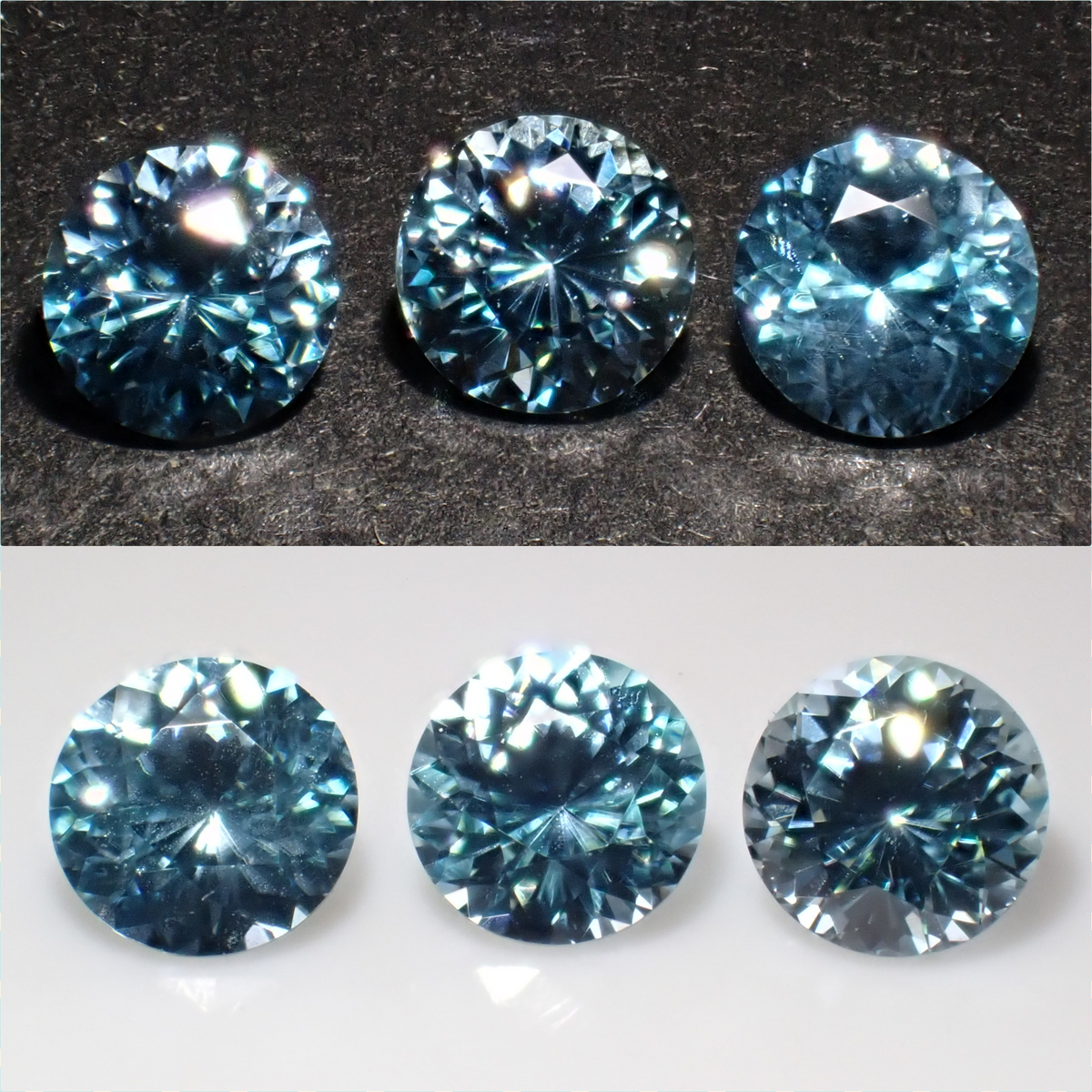
【10/24 22時販売】《限定3石》アイスブルージルコン(ラウンドカット3.5~3.6mm、サンジェ氏)《複数購入割引有》
Sale price¥4,980
![[Available from 10/22] <<limited to stones>> Tanzanian Winza Sapphire, Avg. 0.47ct <<multi-purchase discount available>></multi-purchase></limited>](http://store.karatz.jp/cdn/shop/files/collage_3491990c-c886-4740-824c-edc3c5228775.png?v=1792227669&width=2000)
[Available from 10/22] <> Tanzanian Winza Sapphire, Avg. 0.47ct <>
Sale price¥7,980
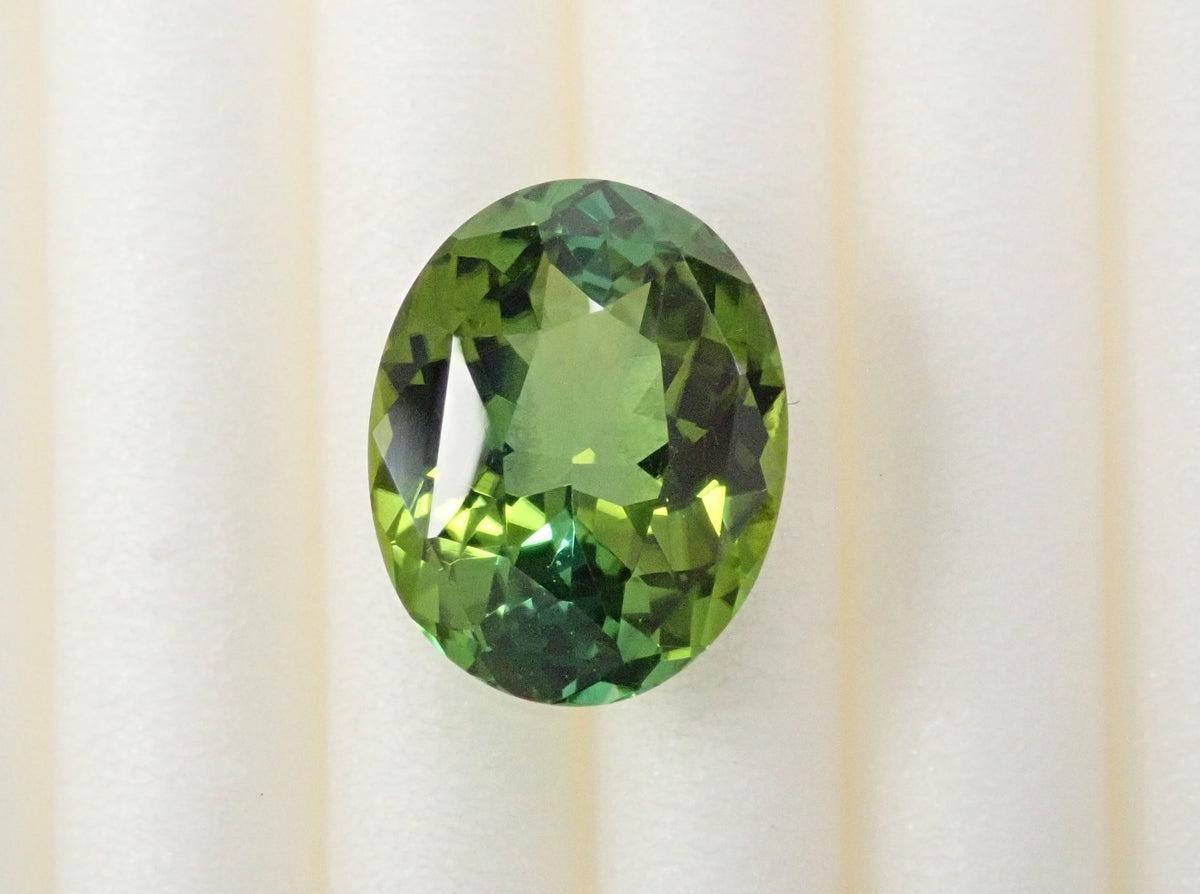
Brazilian Green Tourmaline 1.193ct Loose Stone
Sale price¥39,800

Brazilian Green Tourmaline 11.453ct Loose Stone
Sale price¥158,000
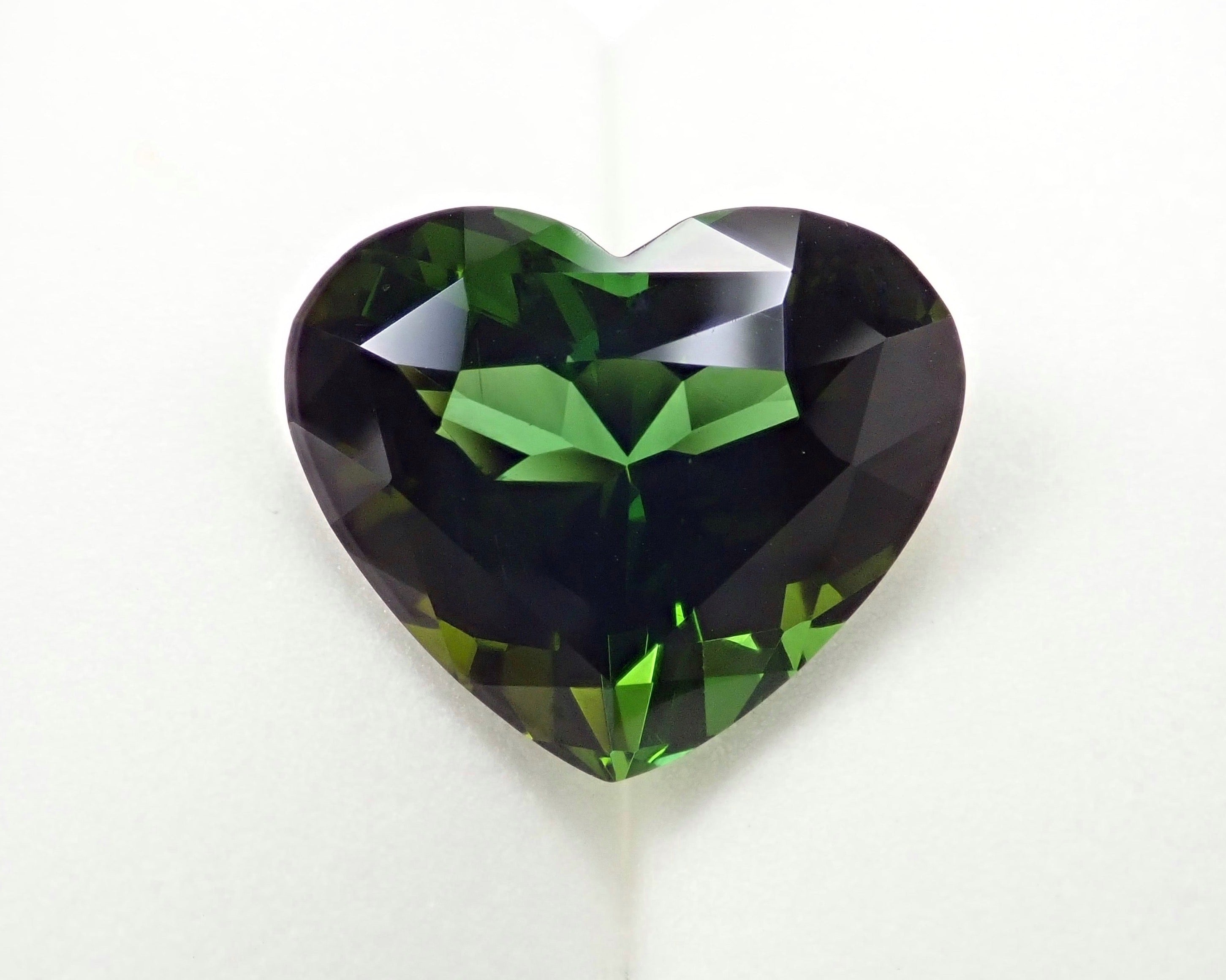
Brazilian Green Tourmaline 9.495ct Loose
Sale price¥128,000
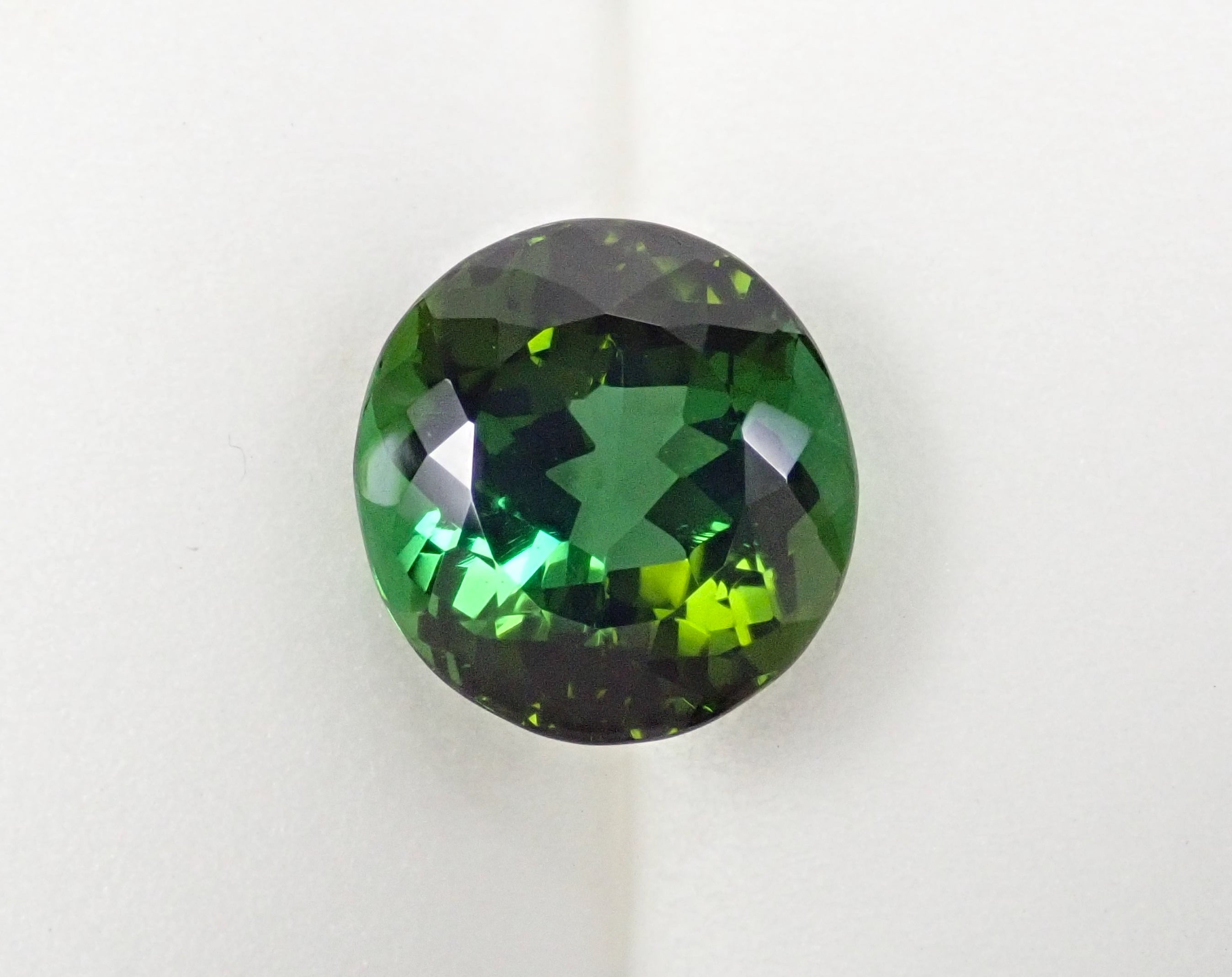
Brazilian Green Tourmaline 4.374ct Loose Stone
Sale price¥88,000

Nigerian Green Beryl 1.349ct Loose Stone
Sale price¥79,800
![[Item No. 22602841] [Colori] Pt900 Chrysoberyl Cat's Eye 2.35ct Diamond 0.31ct Ring with Appraisal Report](http://store.karatz.jp/cdn/shop/files/PA130210.jpg?v=1791961747&width=4000)
![[Ref: 12564456] Mozambique Aquamarine 0.837ct Loose Stone](http://store.karatz.jp/cdn/shop/files/P9304778_1205a47a-754d-4e91-81eb-b5504df57807.jpg?v=1791985647&width=2889)
[Ref: 12564456] Mozambique Aquamarine 0.837ct Loose Stone
Sale price¥9,800
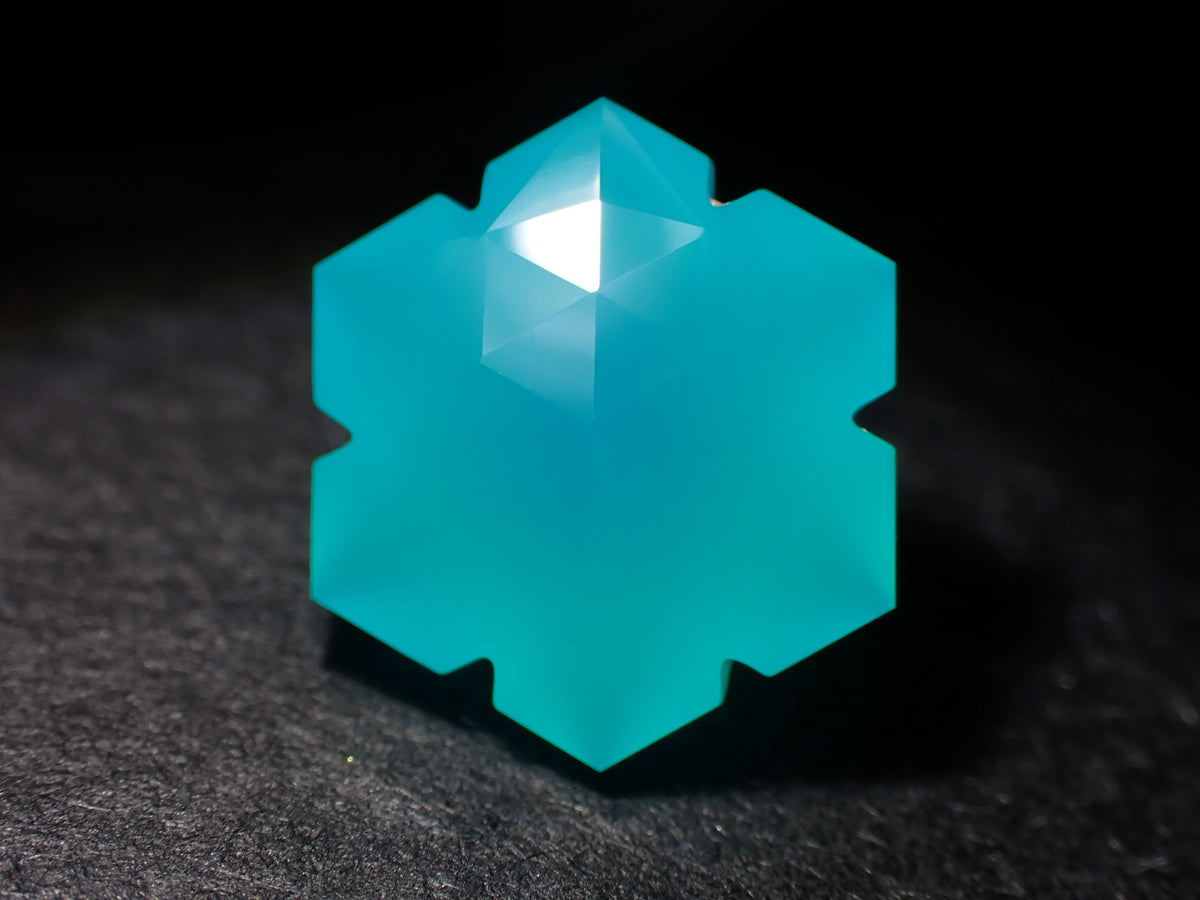
[Item 12564457] Sea Blue Chalcedony 2.001ct Loose Stone
Sale price¥18,800
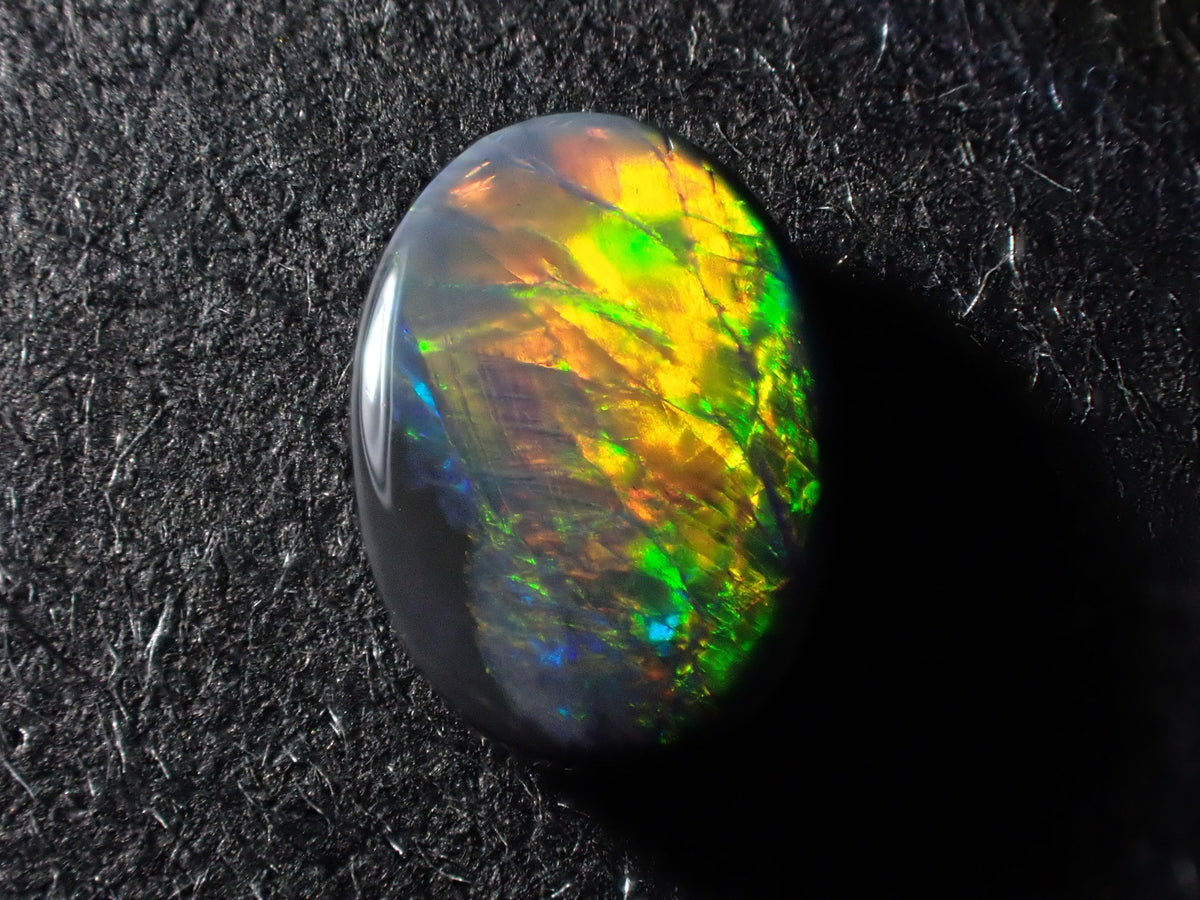
[Item 12564468] Australian Black Opal 0.306ct Loose Stone
Sale price¥25,800

Brazilian unheated particolor Paraiba tourmaline 0.84ct loose GIA
Sale price¥2,580,000

Brazilian Paraiba tourmaline 0.275ct loose (CuO:1.5%.MnO:2.3%)
Sale price¥398,000
Bekily Blue Garnet from Madagascar (color change garnet) 0.297ct loose
Sale price¥19,800
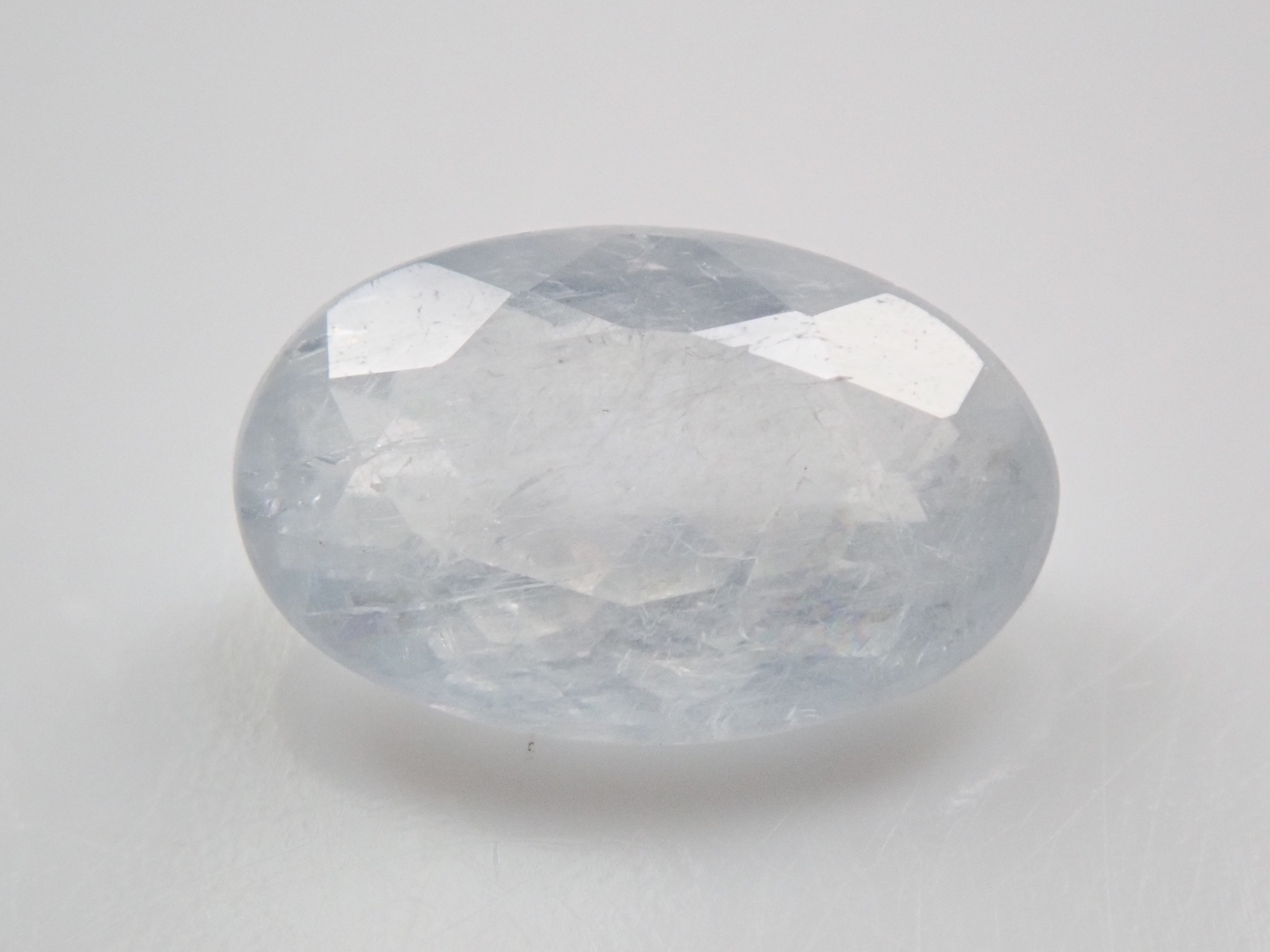
Brazilian Euclase 0.610ct loose
Sale price¥14,800
![[Jeweler's tools] 4-piece set including loupe (10x magnification), tweezers, and 2 loose stones](http://store.karatz.jp/cdn/shop/files/P4130575.jpg?v=1776126091&width=4000)
![[Jeweler's Tools] Color change penlight loose set](http://store.karatz.jp/cdn/shop/files/P1010673_2976de1d-08ce-4d92-94af-524da4485c99.jpg?v=1725605083&width=4000)